HERRAINS logo
  • Home
  • Create A Shoe Line
    Custom Shoe ManufacturerPrivate Label Shoe ManufacturerCustom High-Heels ManufacturerCustom Loafer ManufacturerCustom Clog ManufacturerCustom Sandal ManufacturerCustom Shoe Materials
  • Create A Bag Line
    Custom Handbag ManufacturerPrivate Label Handbag ManufacturerCustom Wallet Manufacturer
  • resources
    Brand Launch Support
    Product Development ValidationTransparent sample developmentFirst-Order PlanningMarket Validation & Growth
    Shoes & Bags Matching SetsDesigner Manufacturing HubCustom Shoe & Bag DesignClient Case StudiesAI Design ManufacturingBlogFAQ
  • About us
    XINZIRAIN Founder StoryFactory & QualityMeet Our TeamSustainability & Social Responsibility
  • Contact
HERRAINS logo
HomeAbout usContactInquiry
Why Women’s Shoes Are Often Uncomfortable: A Footwear Manufacturer’s Perspective
Home/Blog/Why Women’s Shoes Are Often Uncomfortable: A Footwear Manufacturer’s Perspective

Why Women’s Shoes Are Often Uncomfortable: A Footwear Manufacturer’s Perspective

blog avatar

Written by

Herrains

Published
February 3, 2026
  • Manufacturing & Supply

Follow us

Why Women’s Shoes Are Often Uncomfortable: A Footwear Manufacturer’s Perspective

Table of Contents

  • 1A Footwear Manufacturer’s Perspective on Fit, Structure, and Design
  • 2The Real Difference Between Men’s and Women’s Shoes Starts at the Factory
  • 3Last Design: Where Comfort Is Either Won or Lost
  • 4Material Allocation: Where Cost Decisions Become Comfort Issues
  • 5Heel Engineering: Style Without Structural Balance
  • 6Wear Testing: The Step That’s Often Skipped
  • 7Why “Uncomfortable” Became Normal in Women’s Shoes
  • 8Women Are Now Voting with Their Feet
  • 9What Brands Should Expect from a Women’s Shoe Manufacturer Today
  • 10Final Thought: Comfort Is Not Anti-Fashion

A Footwear Manufacturer’s Perspective on Fit, Structure, and Design

For many women, the moment they first try on men’s shoes is unexpectedly eye-opening.

There is room for the toes to spread naturally.
The forefoot feels stable instead of compressed.
Under the insole, there is actual arch support—something rarely found in women’s shoes at the same price point.

From a manufacturing perspective, this experience reveals a deeper truth:
The discomfort of women’s shoes is not accidental—it is structural.

At XINZIRAIN, where we develop and manufacture women’s footwear for international brands, we see this pattern repeatedly. The issue is not women’s feet. The issue lies in how women’s shoes are designed, engineered, and prioritized throughout the product development process.

The Real Difference Between Men’s and Women’s Shoes Starts at the Factory

From the outside, men’s and women’s shoes may look like variations of the same product. Inside the factory, however, they often follow very different development logic.

In most mass-market supply chains:

  • Men’s shoes are treated as durable functional products

  • Women’s shoes are treated as fashion-driven seasonal items

This single assumption shapes everything downstream—from last development to material allocation.

Last Design: Where Comfort Is Either Won or Lost

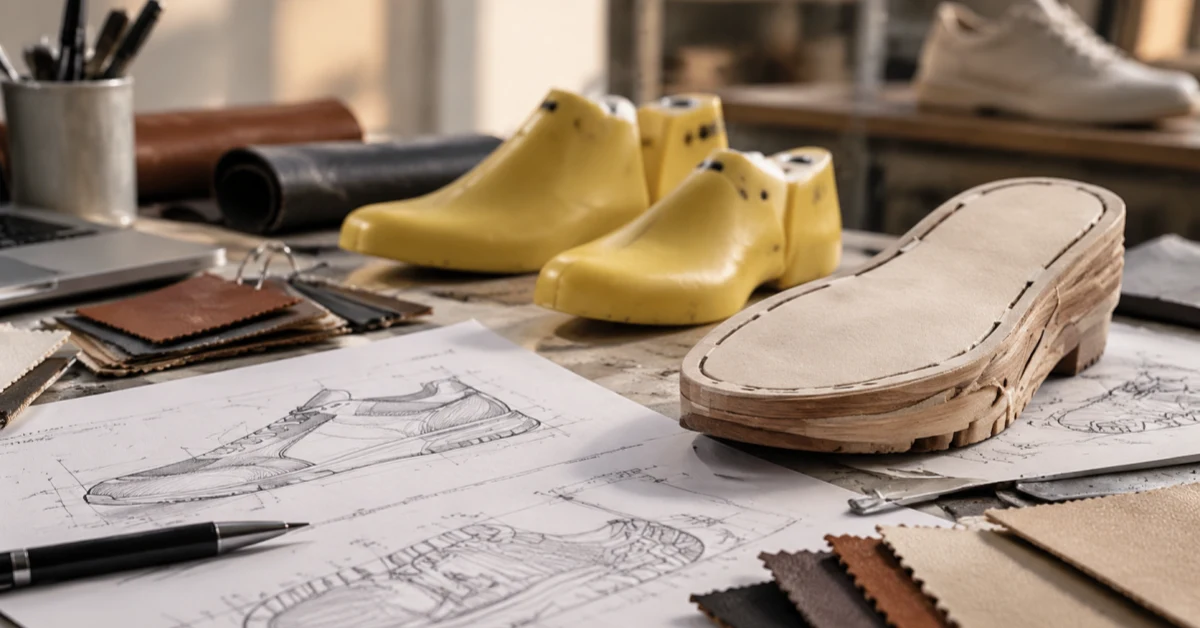
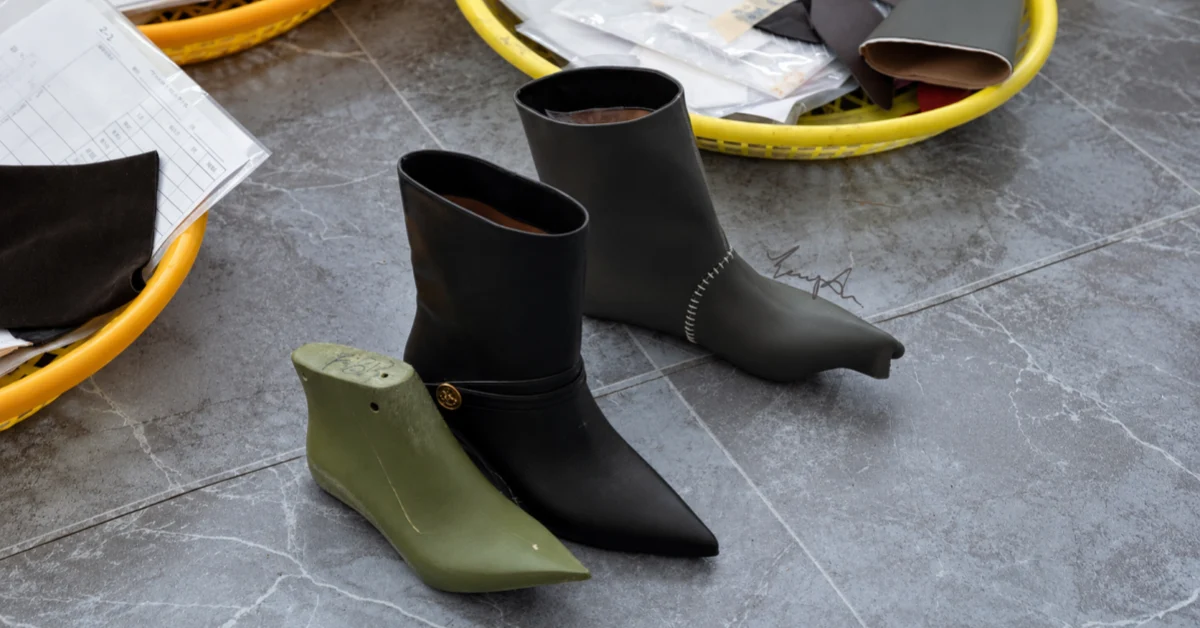
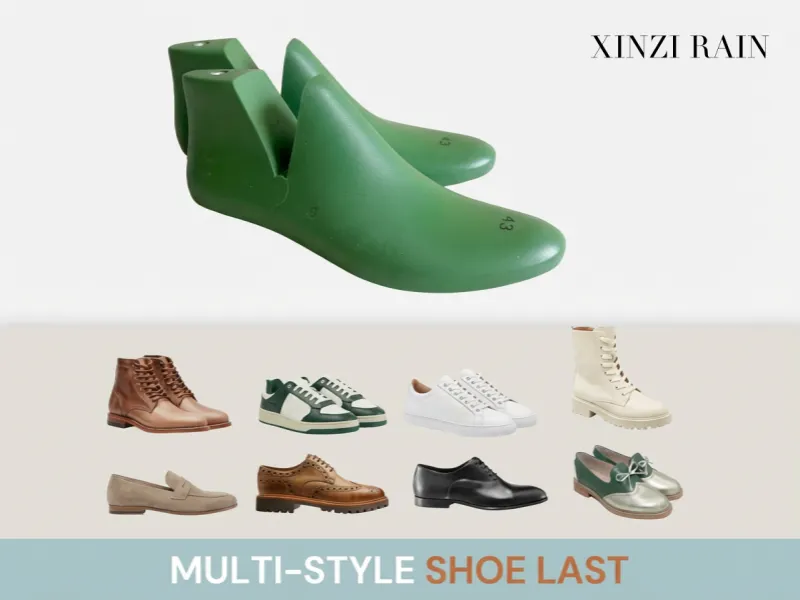
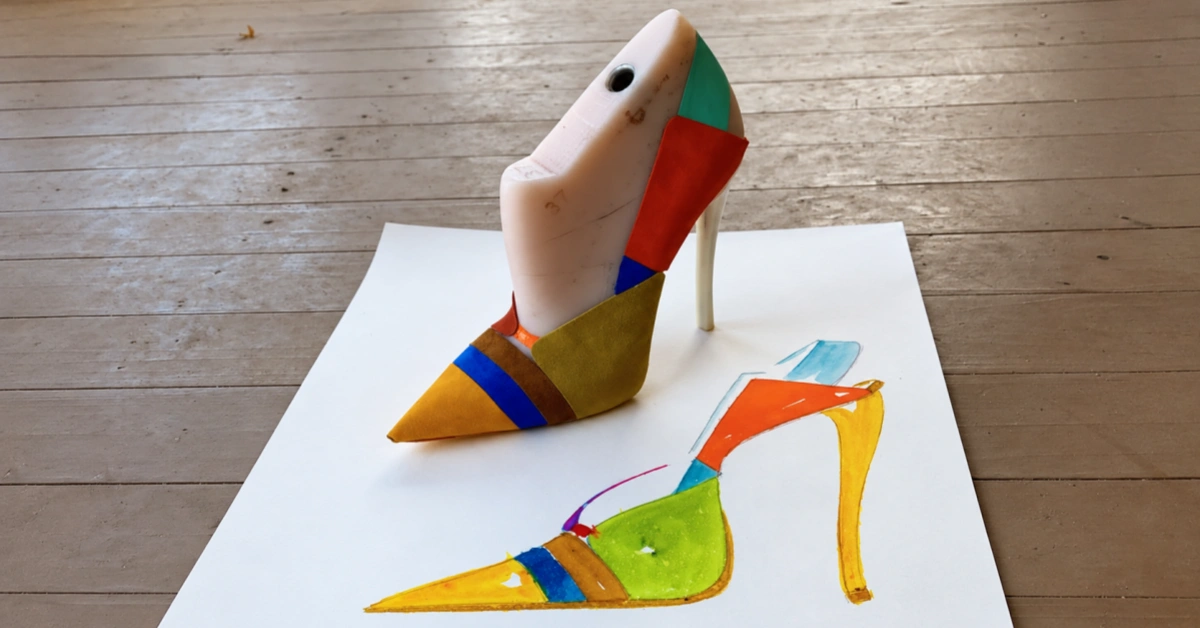
The shoe last is the foundation of comfort. Yet in women’s footwear, it is often designed to serve visual expectations, not anatomical reality.

Many women’s lasts are:

  • Narrow in the forefoot

  • Tapered aggressively at the toe

  • Scaled down uniformly across sizes

From an engineering standpoint, this creates unavoidable problems:

  • Toe compression

  • Uneven pressure distribution

  • Reduced stability during walking

In contrast, men’s lasts typically prioritize:

  • Forefoot width

  • Toe splay allowance

  • Weight-bearing balance

At XINZIRAIN, when developing women’s shoes for brands that prioritize comfort, we often start by rebuilding or adjusting the last, rather than “fixing” discomfort later with padding or softer insoles—which rarely solves the root problem.
Where Comfort Is Either Won or Lost.webp

Material Allocation: Where Cost Decisions Become Comfort Issues

In women’s footwear, cost pressure is often absorbed by components that are not immediately visible:

  • Thinner insoles

  • Reduced midsole density

  • Simplified internal structure

  • Stiffer linings

From a manufacturing perspective, these changes may look minor on a spec sheet, but they directly affect:

  • Shock absorption

  • Long-term wearability

  • Foot fatigue after extended use

Men’s shoes, even at similar retail prices, are more likely to retain:

  • Thicker outsoles

  • Replaceable or structured insoles

  • More durable upper materials

This is not because men’s shoes are “easier” to make—but because comfort is considered a baseline requirement, not an optional feature.
Women's shoe manufacturer.webp

Heel Engineering: Style Without Structural Balance

Heel height alone does not cause discomfort.
Poor heel geometry does.

In many women’s shoes, heels are designed visually first and structurally later. Common issues include:

  • Incorrect heel pitch relative to the last

  • Insufficient internal reinforcement

  • Poor load transfer to the midfoot

At the factory level, this results in:

  • Excessive forefoot pressure

  • Instability during walking

  • Faster fatigue even at moderate heel heights

In contrast, well-engineered heels—regardless of height—distribute weight more evenly. This requires close coordination between last design, heel construction, and outsole structure.

Wear Testing: The Step That’s Often Skipped

Another key difference lies in how products are tested before bulk production.

Many women’s shoes are approved based on:

  • Visual inspection

  • Short static fitting

But without real wear testing, problems such as:

  • Friction points

  • Sole stiffness

  • Balance issues

only appear after the product reaches the consumer.

From a manufacturer’s standpoint, comfort cannot be validated at a desk—it must be tested in motion.

Why “Uncomfortable” Became Normal in Women’s Shoes

The reason uncomfortable women’s shoes became widespread is not technical—it is cultural and commercial.

For years, the industry assumed:

  • Women would tolerate discomfort for aesthetics

  • Shoes were accessories, not functional equipment

  • Fit issues could be explained away as “personal foot problems”

This assumption shaped product decisions for decades.

But consumer behavior is changing.

Women Are Now Voting with Their Feet

Today, more women actively choose:

  • Wider toe boxes

  • Arch support

  • Stability over extreme silhouettes

Some even cross into men’s footwear—not because of style preference, but because their feet finally feel respected.

For brands, this shift is critical. Comfort is no longer a niche positioning—it is becoming a core expectation.

What Brands Should Expect from a Women’s Shoe Manufacturer Today

From a B2B perspective, brands developing women’s footwear should expect manufacturers to offer more than production capacity.

A professional manufacturing partner should be able to:

  • Optimize or customize shoe lasts

  • Engineer structure alongside aesthetics

  • Recommend materials based on performance, not only cost

  • Support wear testing before mass production

At XINZIRAIN, we treat comfort as a development principle, not a marketing label—because uncomfortable shoes create returns, damage brand trust, and limit long-term growth.

Final Thought: Comfort Is Not Anti-Fashion

From a manufacturer’s perspective, comfort and design are not opposing goals.

The real difference lies in where decisions are made:

  • Early, at the structural level

  • Or late, as surface-level adjustments

Women’s shoes are uncomfortable not because they must be—but because, for too long, they were allowed to be.

That era is ending.

And for brands willing to rethink fit, structure, and development logic, the opportunity is clear:
shoes that women no longer need to endure—only wear.

XINZIRAIN Disclaimer

The content above is provided by XINZIRAIN for informational purposes. Unauthorized reproduction is prohibited. See our full disclaimer here

Table of Contents

  • 1A Footwear Manufacturer’s Perspective on Fit, Structure, and Design
  • 2The Real Difference Between Men’s and Women’s Shoes Starts at the Factory
  • 3Last Design: Where Comfort Is Either Won or Lost
  • 4Material Allocation: Where Cost Decisions Become Comfort Issues
  • 5Heel Engineering: Style Without Structural Balance
  • 6Wear Testing: The Step That’s Often Skipped
  • 7Why “Uncomfortable” Became Normal in Women’s Shoes
  • 8Women Are Now Voting with Their Feet
  • 9What Brands Should Expect from a Women’s Shoe Manufacturer Today
  • 10Final Thought: Comfort Is Not Anti-Fashion

Featured Blogs

Tags

#women’s shoes#Women’s Footwear Design#custom shoe manufacturing#custom women’s footwear

Share

Share on your :
Tina Zhang profile picture

Author:

Tina Zhang

Fashion Product Development Specialist

Specialize in custom shoe, handbag development, leather craftsmanship, and private label fashion solutions. Sharing professional insights about product design, manufacturing processes, materials, and building successful fashion brands.

Reviewed by:

Herrains Product Development Team

Featured Blogs

Custom Footwear Prototyping and Production: MOQ, Sample Fees, Timelines, and No-Tech-Pack Solutions

Custom Footwear Prototyping and Production: MOQ, Sample Fees, Timelines, and No-Tech-Pack Solutions

Sourcing private-label footwear often raises critical questions about development costs, timelines, and minimum order quantities. This guide deconstructs sample fees, flexible MOQs, production lead times, and how to start your collection even without a technical pack.

Nov 09, 2026
Read More
How to Launch Your Footwear and Bag Brand: The Definitive Sourcing Playbook

How to Launch Your Footwear and Bag Brand: The Definitive Sourcing Playbook

Launching a luxury shoe and handbag collection involves technical coordination, material sourcing, and compliance checks. This playbook outlines how independent designers and emerging labels turn sketches into retail-ready lines using our Validate, Launch, Scale, and Moat framework.

Nov 09, 2026
Read More
How to Start a Shoe Line: The Definitive Founder's Guide

How to Start a Shoe Line: The Definitive Founder's Guide

Starting a footwear brand is an exciting but highly technical journey that requires navigating sizing, structural engineering, and manufacturing. This definitive B2B playbook breaks down how to start a shoe line from initial hand-drawn sketch to first production run. Learn how to work with custom footwear manufacturers, master technical last grading, run essential stress testing on metal steel shanks, and establish a risk-mitigated, flexible 100-pair MOQ production line to protect your margins and build a profitable fashion brand.

Oct 30, 2026
Read More
From Year-End Sales to Next-Season Growth: The Q4 Footwear and Handbag Manufacturing Blueprint

From Year-End Sales to Next-Season Growth: The Q4 Footwear and Handbag Manufacturing Blueprint

As year-end sales hit their peak, high-growth fashion brands must look ahead to secure their next-season inventory. November represents the critical transition window for footwear and handbag brands. This deep tactical playbook breaks down the 6-stage pre-CNY operational blueprint—from fast bestseller reorders and structural cost audits to the crucial pre-CNY sampling window. Learn how to protect your profit margins and partner with an agile custom footwear and handbag manufacturer to scale your brand with risk-mitigated, flexible 100-pair MOQs before the winter production shutdown.

Oct 28, 2026
Read More
The Decisive Shoe Manufacturers List for Fashion Startups: Sourcing Custom Factories in 2027

The Decisive Shoe Manufacturers List for Fashion Startups: Sourcing Custom Factories in 2027

Looking for the ultimate shoe manufacturers list to launch your footwear line? Most directories lump massive commodity plants with trading firms. This definitive guide re-structures the shoe sourcing landscape specifically for independent designer brands. Learn how to technically audit a footwear factory's lasts, shank load-bearing, and materials compliance under REACH standards, and discover how to bypass rigid MOQs to build a profitable, custom footwear collection starting from 100 pairs.

Oct 26, 2026
Read More
When Should Footwear & Bag Brands Book 2027 Q1 Production Capacity?

When Should Footwear & Bag Brands Book 2027 Q1 Production Capacity?

Chinese New Year 2027 falls on February 6, and the pre-holiday manufacturing window closes faster than expected. Learn when to book Q1 2027 production capacity, avoid factory delays, and plan a realistic pre-CNY timeline.

Oct 21, 2026
Read More