HERRAINS logo
  • Home
  • Create A Shoe Line
    Custom Shoe ManufacturerPrivate Label Shoe ManufacturerCustom High-Heels ManufacturerCustom Loafer ManufacturerCustom Clog ManufacturerCustom Sandal ManufacturerCustom Shoe Materials
  • Create A Bag Line
    Custom Handbag ManufacturerPrivate Label Handbag ManufacturerCustom Wallet Manufacturer
  • resources
    Brand Launch Support
    Product Development ValidationTransparent sample developmentFirst-Order PlanningMarket Validation & Growth
    Shoes & Bags Matching SetsDesigner Manufacturing HubCustom Shoe & Bag DesignClient Case StudiesAI Design ManufacturingBlogFAQ
  • About us
    XINZIRAIN Founder StoryFactory & QualityMeet Our TeamSustainability & Social Responsibility
  • Contact
HERRAINS logo
HomeAbout usContactInquiry
Shoe Last Development & Insole Engineering: The Structural Foundation of Every Great Shoe
Home/Blog/Shoe Last Development & Insole Engineering: The Structural Foundation of Every Great Shoe

Shoe Last Development & Insole Engineering: The Structural Foundation of Every Great Shoe

blog avatar

Written by

Herrains

Published
February 14, 2026
  • Manufacturing & Supply

Follow us

Shoe Last Development & Insole Engineering: The Structural Foundation of Every Great Shoe

Table of Contents

  • 1Why Shoe Last Development Determines Market Success
  • 2Our Approach to Professional Shoe Last Development
  • 3Why Insole Engineering Matters Just as Much
  • 4Shoe Last Development + Insole Engineering = Structural Precision
  • 5Why EU & US Brands Prioritize Structural Manufacturing
  • 6Manufacturing Is a Structural Strategy
  • 6.1Partner With a Footwear Manufacturer Focused on Structure
  • 7FAQ
  • 7.1What is the shoe last development in footwear manufacturing?
  • 7.2Why is shoe last development important for private label brands?
  • 7.3How does insole engineering improve shoe comfort?
  • 7.4What is the difference between mass production lasts and custom shoe last development?
  • 7.5Can a footwear manufacturer modify an existing shoe last?
  • 7.6How does insole engineering reduce product returns?
  • 7.7Is shoe last development necessary for high heels?
  • 7.8How long does custom shoe development take?
  • 7.9Why do EU and US brands focus on insole engineering?
  • 7.10What should brands look for in a footwear manufacturer ?

In today’s competitive footwear market, design alone is no longer enough. What separates premium brands from disposable products is structure. And that structure begins with shoe last development and advanced insole engineering.

At XINZIRAIN, we work as a long-term footwear manufacturer for EU and US brands that understand that durability, fit consistency, and customer retention all start from the inside.

If you are searching for a reliable footwear manufacturer, understanding the importance of professional shoe last development is critical.

Why Shoe Last Development Determines Market Success

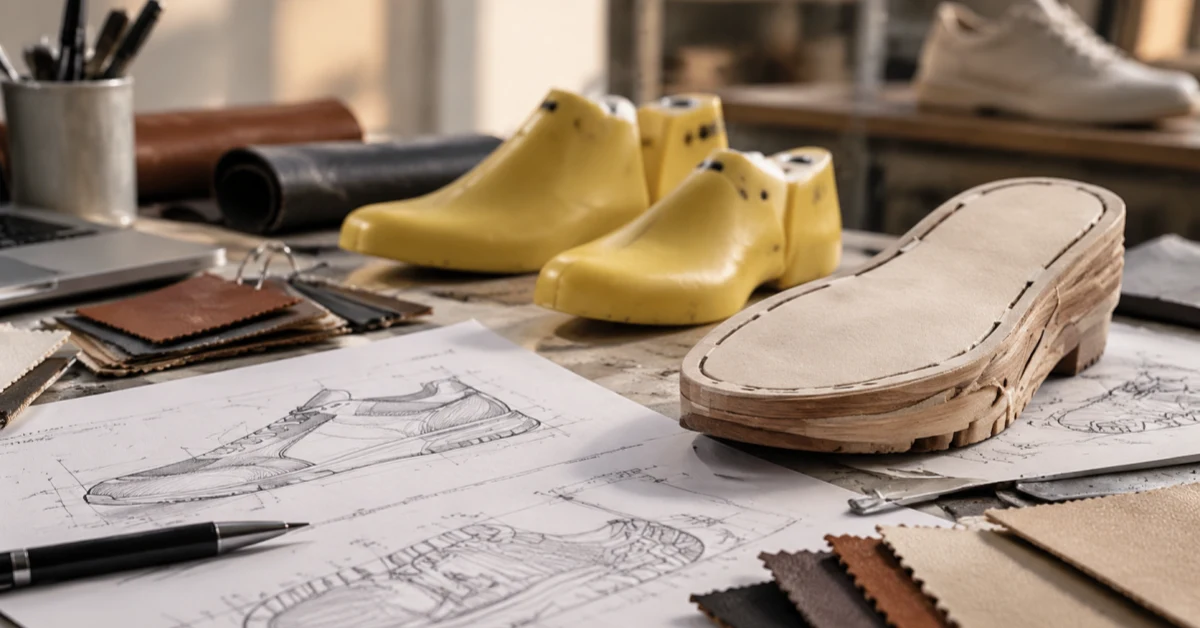
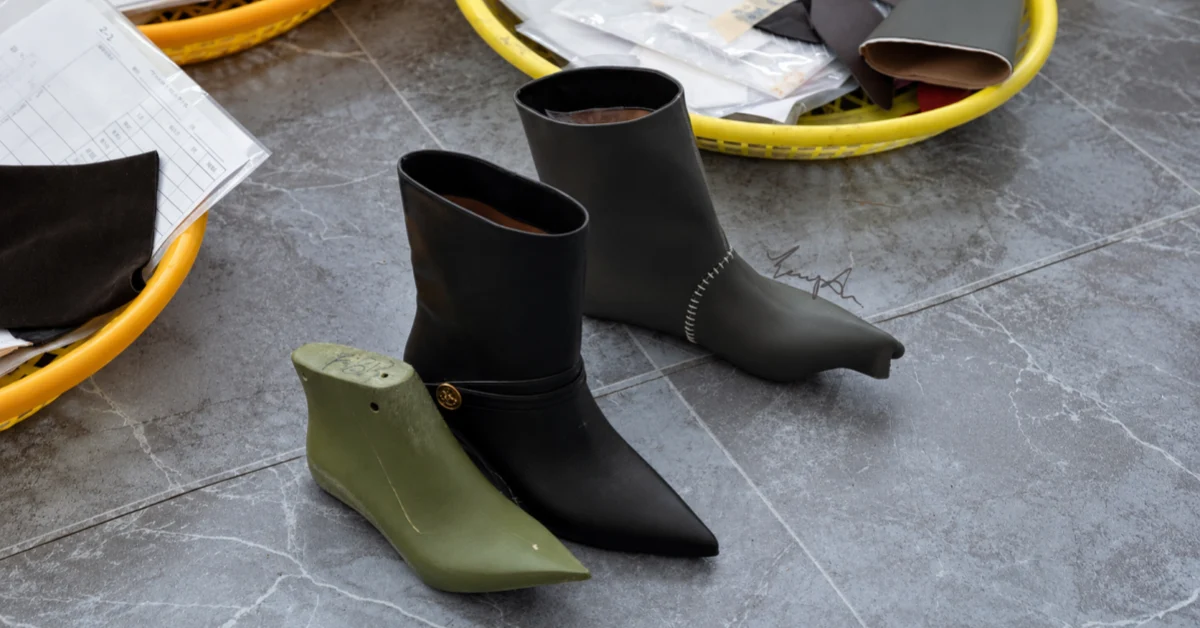
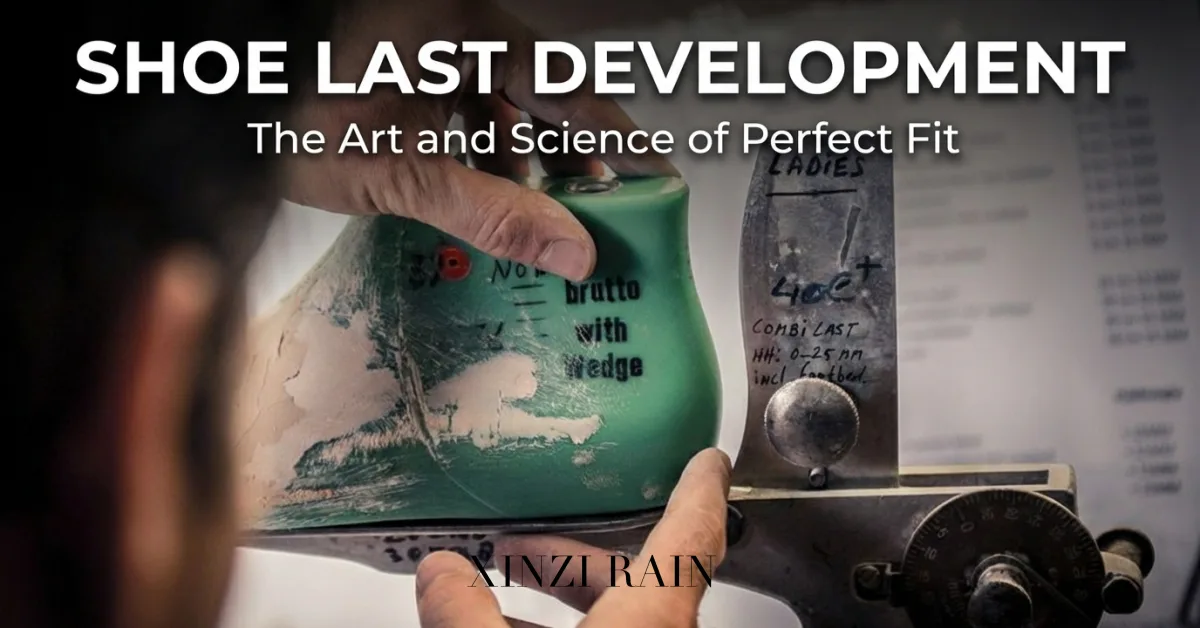
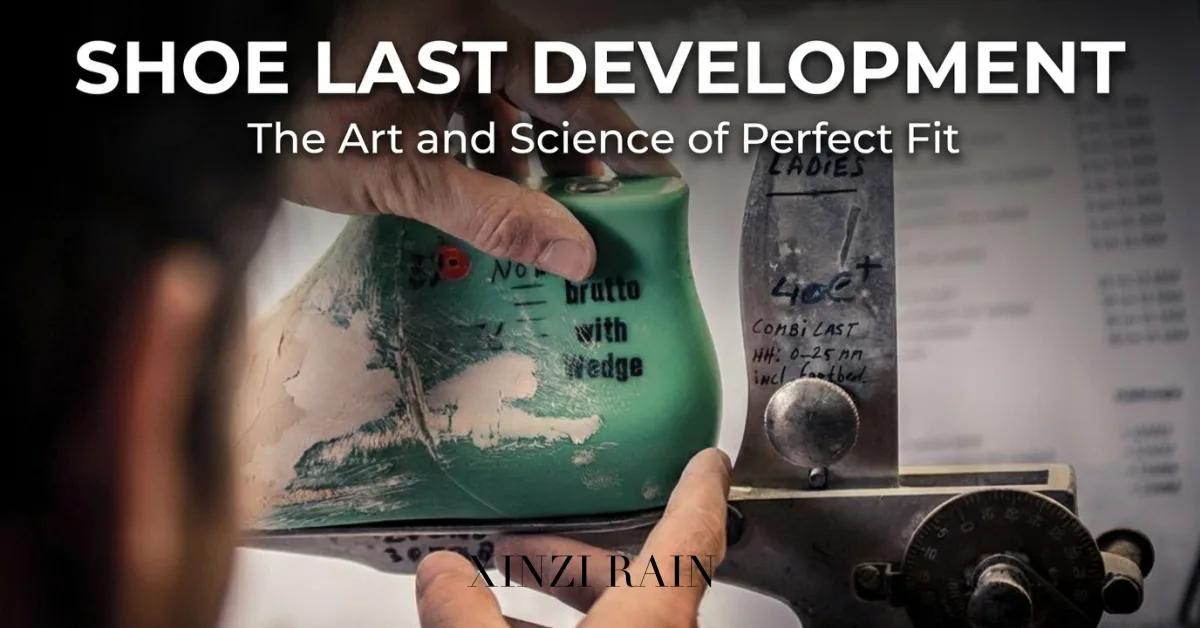
Shoe last development defines the 3D structure of a shoe. The last controls:

  • Toe shape

  • Arch height

  • Heel balance

  • Width grading

  • Overall anatomical alignment

Many factories rely on generic molds to reduce cost. However, insufficient shoe last development often results in:

  • Inconsistent sizing

  • Customer discomfort

  • Uneven outsole wear

  • High return rates

Professional shoe last development ensures your footwear line maintains structural stability from sample stage to bulk production.

For B2B buyers, this directly impacts reorder rates and brand reputation.
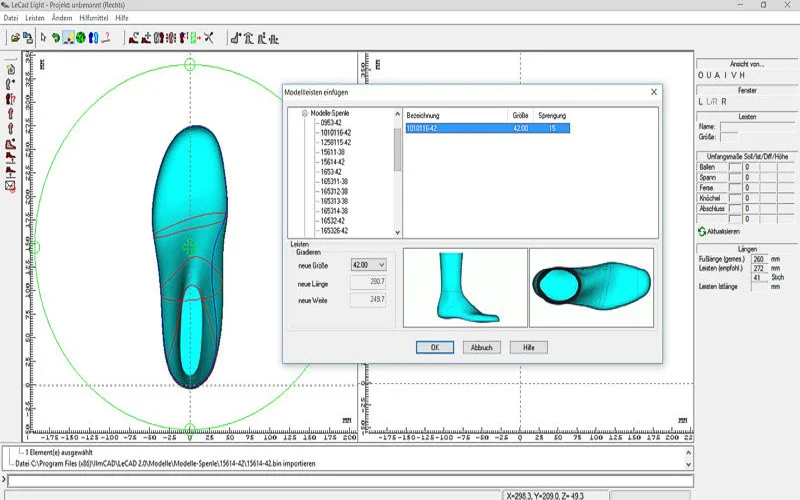
Shoe Last Development .webp

Our Approach to Professional Shoe Last Development

As an export-focused footwear manufacturer, XINZIRAIN invests heavily in customized shoe last development.

Our shoe last development process includes:

  1. Regional fit analysis (EU / US sizing)

  2. Heel pitch calibration

  3. Toe box volume adjustment

  4. Wear-test correction

  5. Structural balance validation

For high heels, precise shoe last development determines comfort at 8–10cm heights.
For sneakers, accurate shoe last development ensures gait stability and fatigue reduction.

Without professional shoe last development, long-term comfort is almost impossible.

Why Insole Engineering Matters Just as Much

While shoe last development defines external structure, insole engineering defines internal performance.

Mass production often uses flat, low-density insoles. However, structured insole engineering improves:

  • Arch support

  • Heel stability

  • Shock absorption

  • Pressure distribution

At XINZIRAIN, our insole engineering adapts to the product category:

  • High heels → Forefoot cushioning + balance control

  • Sneakers → Energy return + multi-density layering

  • Boots → Anti-fatigue heel reinforcement

  • Dress shoes → Structural stability + comfort foam

Effective insole engineering reduces return rates and increases customer satisfaction — a crucial advantage for any footwear manufacturer serving Western markets.

Shoe Last Development + Insole Engineering = Structural Precision

The real strength of a professional footwear manufacturer lies in combining:

✔ Advanced shoe last development
✔ Performance-focused insole engineering
✔ Controlled prototype refinement
✔ Scalable production stability

During sampling, we continuously adjust shoe last development parameters and refine insole engineering details until structural balance is confirmed.

This integrated approach ensures that:

  • Samples match bulk production

  • Fit remains consistent across sizes

  • Comfort standards meet EU and US expectations

For private label brands, investing in shoe last development reduces long-term operational risk.

Why EU & US Brands Prioritize Structural Manufacturing

European and American markets emphasize:

  • Ergonomic fit

  • Durability

  • Consumer trust

  • Long-term value

Brands that collaborate with a footwear manufacturer specializing in shoe last development and insole engineering gain:

  • Lower return ratios

  • Stronger distributor confidence

  • Better repeat orders

  • Sustainable brand growth

Shoe last development is not a minor technical step. It is the foundation of scalable footwear manufacturing.

Manufacturing Is a Structural Strategy

If you are evaluating a footwear manufacturer, ask:

  • Do they invest in shoe last development?

  • Do they refine insole engineering?

  • Do they test structural balance before mass production?

  • Do they support private label customization?

At XINZIRAIN, shoe last development and insole engineering are not optional — they are the core of our manufacturing philosophy.

Because structure defines comfort.
Comfort defines reputation.
Reputation defines longevity.
Shoe Manufacturer-xinzirain.webp

Partner With a Footwear Manufacturer Focused on Structure

If your brand is looking for a footwear manufacturer that understands the strategic importance of shoe last development and advanced insole engineering, we are ready to support your next collection.

FAQ

What is the shoe last development in footwear manufacturing?

Shoe last development is the process of designing and refining the three-dimensional mold that defines a shoe’s shape, structure, and fit. Professional shoe last development ensures accurate sizing, structural balance, and long-term comfort in mass production.

Why is shoe last development important for private label brands?

For private label brands, shoe last development ensures a consistent fit across bulk orders. Without proper shoe last development, brands may face complaints about sizing, high return rates, and customer dissatisfaction.

How does insole engineering improve shoe comfort?

Insole engineering improves arch support, cushioning, and shock absorption. Advanced insole engineering distributes pressure evenly and enhances stability, especially in high heels, sneakers, and boots.

What is the difference between mass production lasts and custom shoe last development?

Mass production often uses generic molds, while custom shoe last development tailors the structure to a specific design or target market. Custom shoe last development improves anatomical alignment and long-term wearability.

Can a footwear manufacturer modify an existing shoe last?

Yes. A professional footwear manufacturer can adjust heel pitch, toe box volume, width grading, and arch positioning through shoe last development refinement during the prototype stage.

How does insole engineering reduce product returns?

Proper insole engineering enhances comfort and structural support, which reduces customer complaints related to foot fatigue, instability, and poor cushioning — common causes of product returns.

Is shoe last development necessary for high heels?

Absolutely. In high heels, precise shoe last development determines weight distribution and balance. Even small structural deviations can significantly impact long-term comfort and stability.

How long does custom shoe development take?

Custom shoe last development typically requires prototype testing and refinement. Depending on complexity, development can take 2–4 weeks before bulk production approval.

Why do EU and US brands focus on insole engineering?

EU and US markets emphasize ergonomic comfort and durability. Insole engineering helps brands meet these expectations while reducing liability risks associated with poor footwear construction.

What should brands look for in a footwear manufacturer?

Brands should choose a footwear manufacturer that invests in professional shoe last development, advanced insole engineering, controlled sampling processes, and scalable quality control systems.
XINZIRAIN Disclaimer

The content above is provided by XINZIRAIN for informational purposes. Unauthorized reproduction is prohibited. See our full disclaimer here

Table of Contents

  • 1Why Shoe Last Development Determines Market Success
  • 2Our Approach to Professional Shoe Last Development
  • 3Why Insole Engineering Matters Just as Much
  • 4Shoe Last Development + Insole Engineering = Structural Precision
  • 5Why EU & US Brands Prioritize Structural Manufacturing
  • 6Manufacturing Is a Structural Strategy
  • 6.1Partner With a Footwear Manufacturer Focused on Structure
  • 7FAQ
  • 7.1What is the shoe last development in footwear manufacturing?
  • 7.2Why is shoe last development important for private label brands?
  • 7.3How does insole engineering improve shoe comfort?
  • 7.4What is the difference between mass production lasts and custom shoe last development?
  • 7.5Can a footwear manufacturer modify an existing shoe last?
  • 7.6How does insole engineering reduce product returns?
  • 7.7Is shoe last development necessary for high heels?
  • 7.8How long does custom shoe development take?
  • 7.9Why do EU and US brands focus on insole engineering?
  • 7.10What should brands look for in a footwear manufacturer ?

Featured Blogs

Tags

#Custom Shoe Manufacturer#China shoe manufacturer#OEM footwear manufacturer

Share

Share on your :
Tina Zhang profile picture

Author:

Tina Zhang

Fashion Product Development Specialist

Specialize in custom shoe, handbag development, leather craftsmanship, and private label fashion solutions. Sharing professional insights about product design, manufacturing processes, materials, and building successful fashion brands.

Reviewed by:

Herrains Product Development Team

Featured Blogs

Custom Footwear Prototyping and Production: MOQ, Sample Fees, Timelines, and No-Tech-Pack Solutions

Custom Footwear Prototyping and Production: MOQ, Sample Fees, Timelines, and No-Tech-Pack Solutions

Sourcing private-label footwear often raises critical questions about development costs, timelines, and minimum order quantities. This guide deconstructs sample fees, flexible MOQs, production lead times, and how to start your collection even without a technical pack.

Nov 09, 2026
Read More
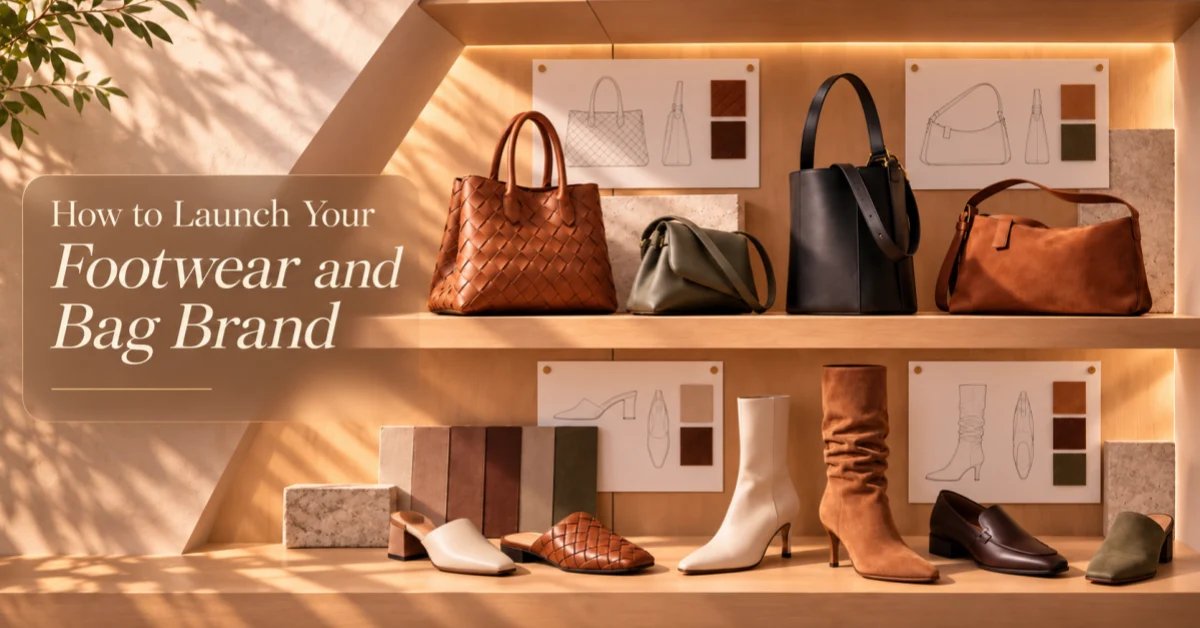
How to Launch Your Footwear and Bag Brand: The Definitive Sourcing Playbook

How to Launch Your Footwear and Bag Brand: The Definitive Sourcing Playbook

Launching a luxury shoe and handbag collection involves technical coordination, material sourcing, and compliance checks. This playbook outlines how independent designers and emerging labels turn sketches into retail-ready lines using our Validate, Launch, Scale, and Moat framework.

Nov 09, 2026
Read More
How to Start a Shoe Line: The Definitive Founder's Guide

How to Start a Shoe Line: The Definitive Founder's Guide

Starting a footwear brand is an exciting but highly technical journey that requires navigating sizing, structural engineering, and manufacturing. This definitive B2B playbook breaks down how to start a shoe line from initial hand-drawn sketch to first production run. Learn how to work with custom footwear manufacturers, master technical last grading, run essential stress testing on metal steel shanks, and establish a risk-mitigated, flexible 100-pair MOQ production line to protect your margins and build a profitable fashion brand.

Oct 30, 2026
Read More
From Year-End Sales to Next-Season Growth: The Q4 Footwear and Handbag Manufacturing Blueprint

From Year-End Sales to Next-Season Growth: The Q4 Footwear and Handbag Manufacturing Blueprint

As year-end sales hit their peak, high-growth fashion brands must look ahead to secure their next-season inventory. November represents the critical transition window for footwear and handbag brands. This deep tactical playbook breaks down the 6-stage pre-CNY operational blueprint—from fast bestseller reorders and structural cost audits to the crucial pre-CNY sampling window. Learn how to protect your profit margins and partner with an agile custom footwear and handbag manufacturer to scale your brand with risk-mitigated, flexible 100-pair MOQs before the winter production shutdown.

Oct 28, 2026
Read More
The Decisive Shoe Manufacturers List for Fashion Startups: Sourcing Custom Factories in 2027

The Decisive Shoe Manufacturers List for Fashion Startups: Sourcing Custom Factories in 2027

Looking for the ultimate shoe manufacturers list to launch your footwear line? Most directories lump massive commodity plants with trading firms. This definitive guide re-structures the shoe sourcing landscape specifically for independent designer brands. Learn how to technically audit a footwear factory's lasts, shank load-bearing, and materials compliance under REACH standards, and discover how to bypass rigid MOQs to build a profitable, custom footwear collection starting from 100 pairs.

Oct 26, 2026
Read More
When Should Footwear & Bag Brands Book 2027 Q1 Production Capacity?

When Should Footwear & Bag Brands Book 2027 Q1 Production Capacity?

Chinese New Year 2027 falls on February 6, and the pre-holiday manufacturing window closes faster than expected. Learn when to book Q1 2027 production capacity, avoid factory delays, and plan a realistic pre-CNY timeline.

Oct 21, 2026
Read More