HERRAINS logo
  • Home
  • Create A Shoe Line
    Custom Shoe ManufacturerPrivate Label Shoe ManufacturerCustom High-Heels ManufacturerCustom Loafer ManufacturerCustom Clog ManufacturerCustom Sandal ManufacturerCustom Shoe Materials
  • Create A Bag Line
    Custom Handbag ManufacturerPrivate Label Handbag ManufacturerCustom Wallet Manufacturer
  • resources
    Brand Launch Support
    Product Development ValidationTransparent sample developmentFirst-Order PlanningMarket Validation & Growth
    Shoes & Bags Matching SetsDesigner Manufacturing HubCustom Shoe & Bag DesignClient Case StudiesAI Design ManufacturingBlogFAQ
  • About us
    XINZIRAIN Founder StoryFactory & QualityMeet Our TeamSustainability & Social Responsibility
  • Contact
HERRAINS logo
HomeAbout usContactInquiry
Custom Handbag Manufacturing Process Explained by an OEM Manufacturer
Home/Blog/Custom Handbag Manufacturing Process Explained by an OEM Manufacturer

Custom Handbag Manufacturing Process Explained by an OEM Manufacturer

blog avatar

Written by

Herrains

Published
January 22, 2026
  • Manufacturing & Supply

Follow us

Custom Handbag Manufacturing Process Explained by an OEM Manufacturer

Table of Contents

  • 1Step 1: Design Concept & Technical Translation
  • 2Step 2: Material & Hardware Engineering
  • 3Step 3: Sample Development & Iteration
  • 4Step 4: Cost Confirmation & Production Planning
  • 5Step 5: Bulk Production & Quality Control
  • 6Step 6: Packaging, Logistics & Global Delivery
  • 7Why Process Transparency Matters
  • 8FAQ

Understanding the custom handbag manufacturing process empowers brands to make better design, pricing, and production decisions. This guide outlines how professional handbag factories transform concepts into scalable, market-ready products.

The process described below reflects real OEM workflows used by experienced manufacturers such as XINZIRAIN, serving international brands.
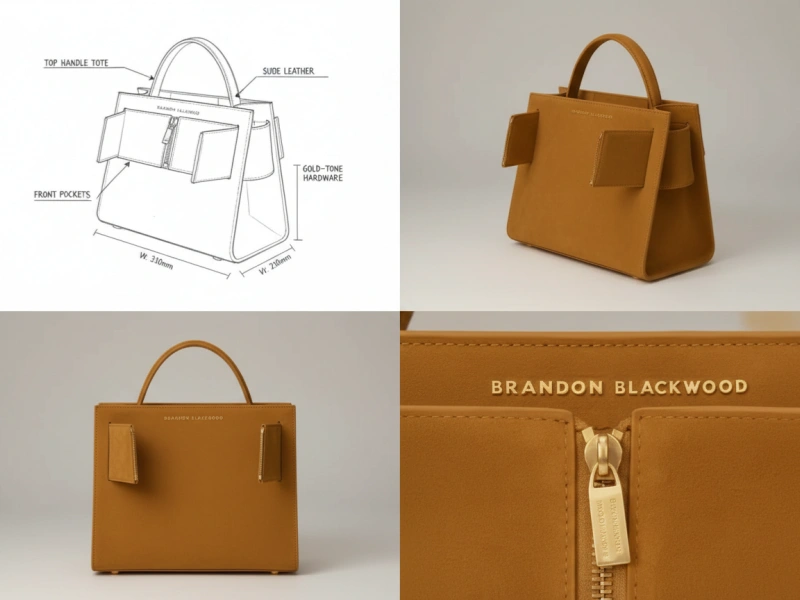
Manufacturing Process.webp

Step 1: Design Concept & Technical Translation

Manufacturing begins with interpretation, not production.

Design inputs may include:

  • Hand sketches or reference products

  • Functional requirements

  • Target price positioning

These inputs are translated into technical drawings, measurements, and construction logic to ensure the design is manufacturable at scale.

Step 2: Material & Hardware Engineering

Material selection affects performance, cost, and brand perception.

Professional handbag manufacturers evaluate:

  • Leather thickness and grain stability

  • Vegan and recycled alternatives

  • Hardware load-bearing strength

  • Colorfastness and aging behavior

XINZIRAIN’s material selection process balances aesthetic intent with durability and market compliance.

Step 3: Sample Development & Iteration

Sampling is a controlled testing phase.

Brands typically refine:

  • Structure and proportions

  • Stitching density and reinforcement

  • Closure systems and hardware placement

  • Logo visibility and branding balance

Multiple sample iterations are standard for serious private label development, ensuring the final product performs as intended.

Step 4: Cost Confirmation & Production Planning

Once samples are approved, manufacturers finalize:

  • Unit cost structure

  • Production lead times

  • Packaging specifications

Transparent cost breakdowns help brands plan pricing and margins accurately.

Step 5: Bulk Production & Quality Control

During mass production, quality is managed through:

  • Material batch inspections

  • In-line assembly checks

  • Final product audits

Experienced OEM bag factories focus on consistency across every unit—not just the first sample.

Step 6: Packaging, Logistics & Global Delivery

Final steps include:

  • Custom packaging solutions

  • Export-compliant labeling

  • Coordination with international logistics partners

Manufacturers supporting global brands often assist with shipping documentation and delivery planning.
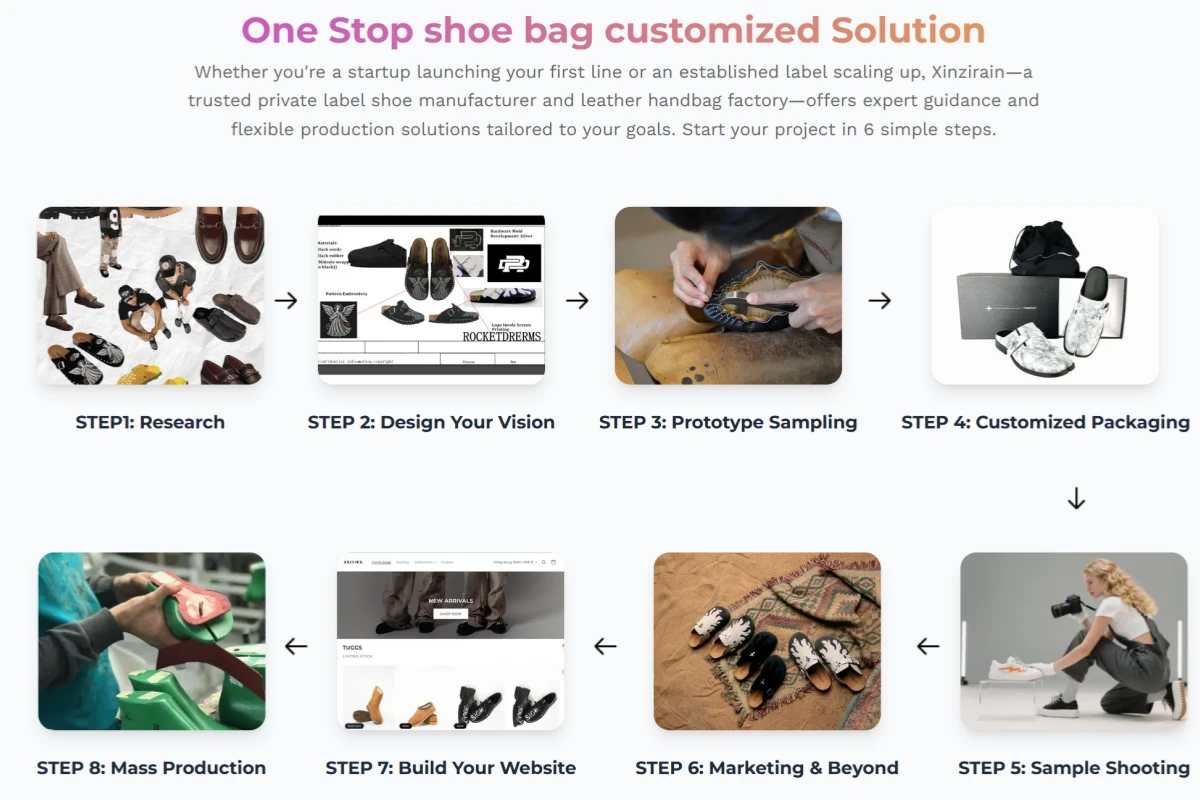
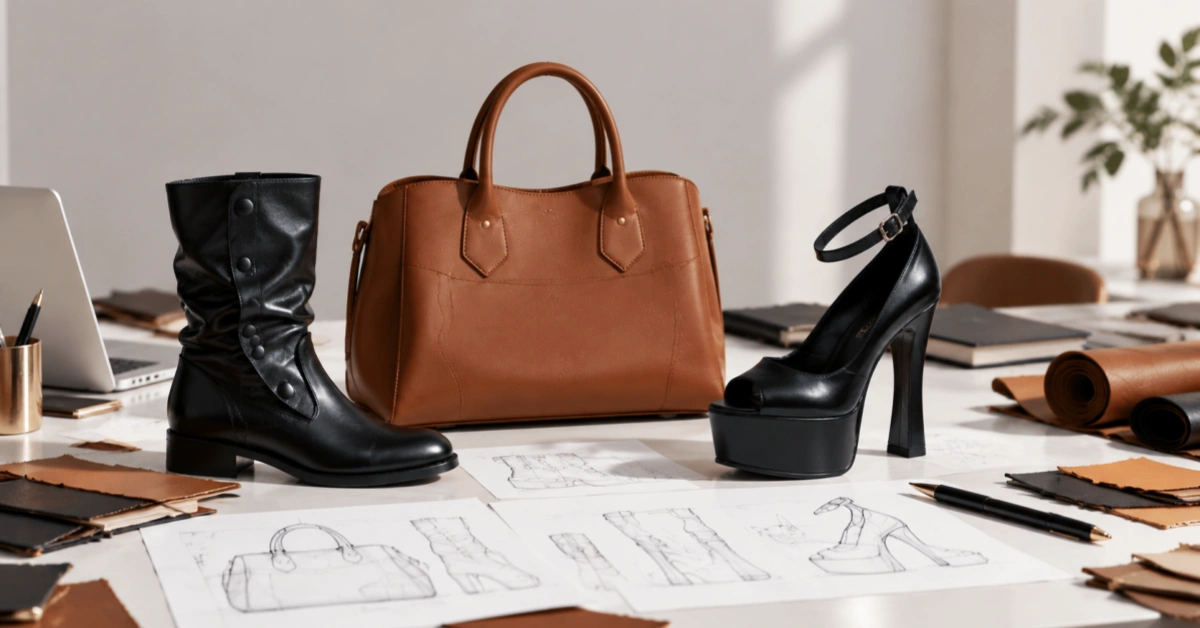
The Complete Custom Bag Design1.webp

Why Process Transparency Matters

Brands that understand the custom handbag manufacturing process:

  • Communicate more effectively with factories

  • Reduce development risks

  • Improve speed-to-market

  • Build stronger long-term partnerships

This transparency is essential for sustainable brand growth.

FAQ

1: What are the main stages of the custom handbag manufacturing process?

The process includes design development, material and hardware selection, sample production, cost confirmation, mass production, quality control, and global delivery.

2: How long does custom handbag manufacturing usually take?

Timelines depend on design complexity and order volume. Sampling typically takes several weeks, while bulk production follows after approval. Experienced OEM manufacturers provide clear timelines at each stage.

3: What happens if changes are needed after the first sample?

Revisions are a standard part of OEM development. Professional manufacturers allow multiple sample iterations to adjust structure, materials, hardware, and branding until the product meets expectations.

4: How do manufacturers ensure consistent quality in bulk production?

Quality is controlled through material inspections, in-line production checks, and final product audits. Established OEM factories implement standardized QC systems to maintain consistency across all units.

5: Can manufacturers support sustainable handbag production?

Yes. Many manufacturers, including XINZIRAIN, offer eco-friendly materials such as recycled leather, plant-based alternatives, and certified textiles, while optimizing production processes to reduce waste.

6: Why should brands understand the handbag manufacturing process?

Understanding the process helps brands communicate more effectively with factories, control costs, reduce development risks, and improve speed-to-market for private label handbag collections.
XINZIRAIN Disclaimer

The content above is provided by XINZIRAIN for informational purposes. Unauthorized reproduction is prohibited. See our full disclaimer here

Table of Contents

  • 1Step 1: Design Concept & Technical Translation
  • 2Step 2: Material & Hardware Engineering
  • 3Step 3: Sample Development & Iteration
  • 4Step 4: Cost Confirmation & Production Planning
  • 5Step 5: Bulk Production & Quality Control
  • 6Step 6: Packaging, Logistics & Global Delivery
  • 7Why Process Transparency Matters
  • 8FAQ

Featured Blogs

Tags

#Custom Bag Manufacturing#OEM ODM Handbag Factory#Bag Production Process#HandbagProduction#Handbag Manufacturer UK

Share

Share on your :
Tina Zhang profile picture

Author:

Tina Zhang

Fashion Product Development Specialist

Specialize in custom shoe, handbag development, leather craftsmanship, and private label fashion solutions. Sharing professional insights about product design, manufacturing processes, materials, and building successful fashion brands.

Reviewed by:

Herrains Product Development Team

Featured Blogs

Custom Footwear Prototyping and Production: MOQ, Sample Fees, Timelines, and No-Tech-Pack Solutions

Custom Footwear Prototyping and Production: MOQ, Sample Fees, Timelines, and No-Tech-Pack Solutions

Sourcing private-label footwear often raises critical questions about development costs, timelines, and minimum order quantities. This guide deconstructs sample fees, flexible MOQs, production lead times, and how to start your collection even without a technical pack.

Nov 09, 2026
Read More
How to Launch Your Footwear and Bag Brand: The Definitive Sourcing Playbook

How to Launch Your Footwear and Bag Brand: The Definitive Sourcing Playbook

Launching a luxury shoe and handbag collection involves technical coordination, material sourcing, and compliance checks. This playbook outlines how independent designers and emerging labels turn sketches into retail-ready lines using our Validate, Launch, Scale, and Moat framework.

Nov 09, 2026
Read More
How to Start a Shoe Line: The Definitive Founder's Guide

How to Start a Shoe Line: The Definitive Founder's Guide

Starting a footwear brand is an exciting but highly technical journey that requires navigating sizing, structural engineering, and manufacturing. This definitive B2B playbook breaks down how to start a shoe line from initial hand-drawn sketch to first production run. Learn how to work with custom footwear manufacturers, master technical last grading, run essential stress testing on metal steel shanks, and establish a risk-mitigated, flexible 100-pair MOQ production line to protect your margins and build a profitable fashion brand.

Oct 30, 2026
Read More
From Year-End Sales to Next-Season Growth: The Q4 Footwear and Handbag Manufacturing Blueprint

From Year-End Sales to Next-Season Growth: The Q4 Footwear and Handbag Manufacturing Blueprint

As year-end sales hit their peak, high-growth fashion brands must look ahead to secure their next-season inventory. November represents the critical transition window for footwear and handbag brands. This deep tactical playbook breaks down the 6-stage pre-CNY operational blueprint—from fast bestseller reorders and structural cost audits to the crucial pre-CNY sampling window. Learn how to protect your profit margins and partner with an agile custom footwear and handbag manufacturer to scale your brand with risk-mitigated, flexible 100-pair MOQs before the winter production shutdown.

Oct 28, 2026
Read More
The Decisive Shoe Manufacturers List for Fashion Startups: Sourcing Custom Factories in 2027

The Decisive Shoe Manufacturers List for Fashion Startups: Sourcing Custom Factories in 2027

Looking for the ultimate shoe manufacturers list to launch your footwear line? Most directories lump massive commodity plants with trading firms. This definitive guide re-structures the shoe sourcing landscape specifically for independent designer brands. Learn how to technically audit a footwear factory's lasts, shank load-bearing, and materials compliance under REACH standards, and discover how to bypass rigid MOQs to build a profitable, custom footwear collection starting from 100 pairs.

Oct 26, 2026
Read More
When Should Footwear & Bag Brands Book 2027 Q1 Production Capacity?

When Should Footwear & Bag Brands Book 2027 Q1 Production Capacity?

Chinese New Year 2027 falls on February 6, and the pre-holiday manufacturing window closes faster than expected. Learn when to book Q1 2027 production capacity, avoid factory delays, and plan a realistic pre-CNY timeline.

Oct 21, 2026
Read More