
Choosing a footwear manufacturer involves more than comparing unit prices or reviewing product catalogs. For a fashion brand, the manufacturer's supply chain determines how efficiently a design can move from concept to sample, from approved sample to bulk production, and from finished goods to delivery.
A supplier may offer an attractive quotation but struggle to source specialized materials, coordinate component vendors or maintain consistency between samples and bulk orders. These problems can increase development costs, delay product launches and affect inventory planning.
A structured footwear supply chain evaluation helps buyers identify these risks before placing a production order.
This guide explains seven areas to assess when evaluating a footwear manufacturing partner, how to compare sourcing options, and what evidence to request before committing to a supplier.
Map the Entire Footwear Supply Chain
Before comparing manufacturers, identify the stages required to produce your footwear collection.
A typical custom footwear supply chain includes:
-
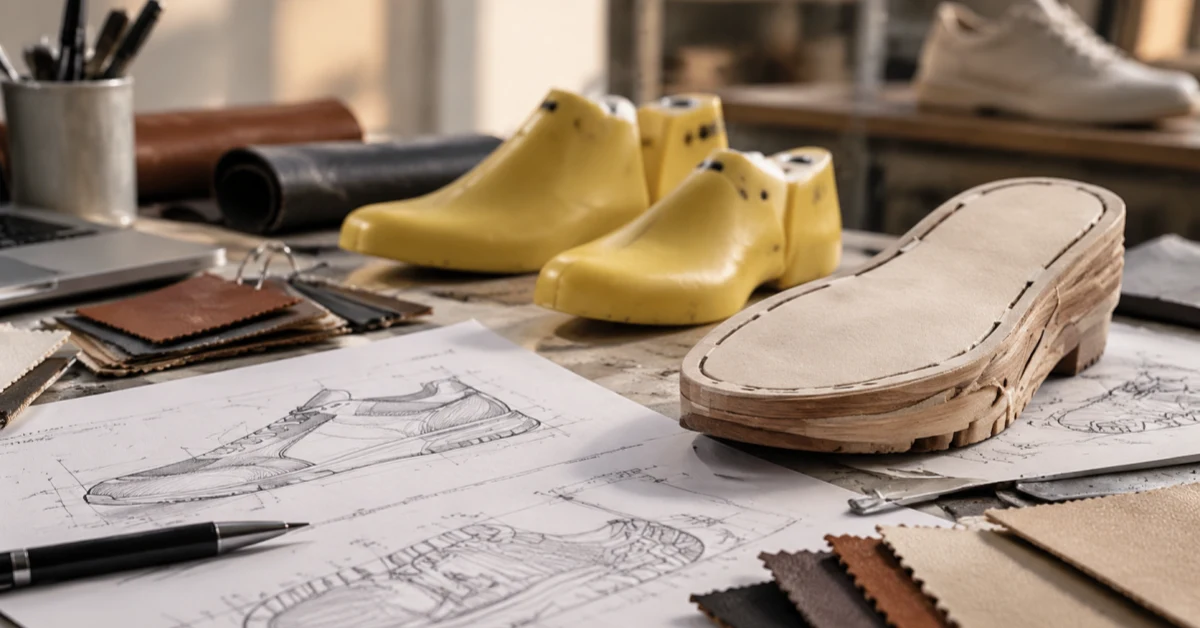
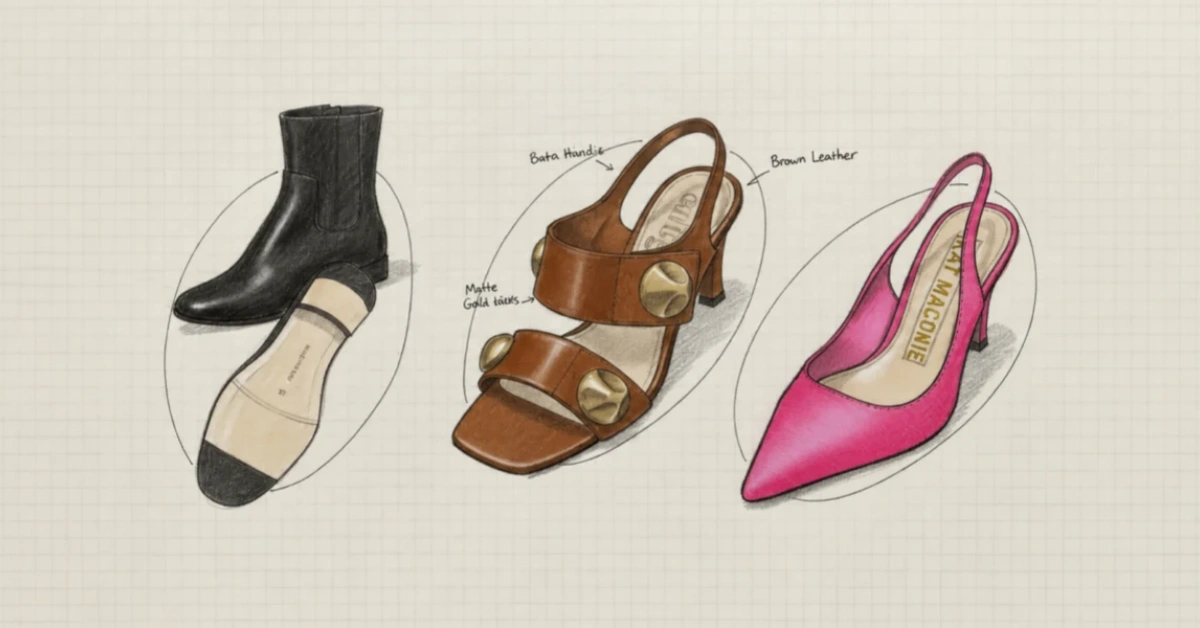
Product design and technical specification
-
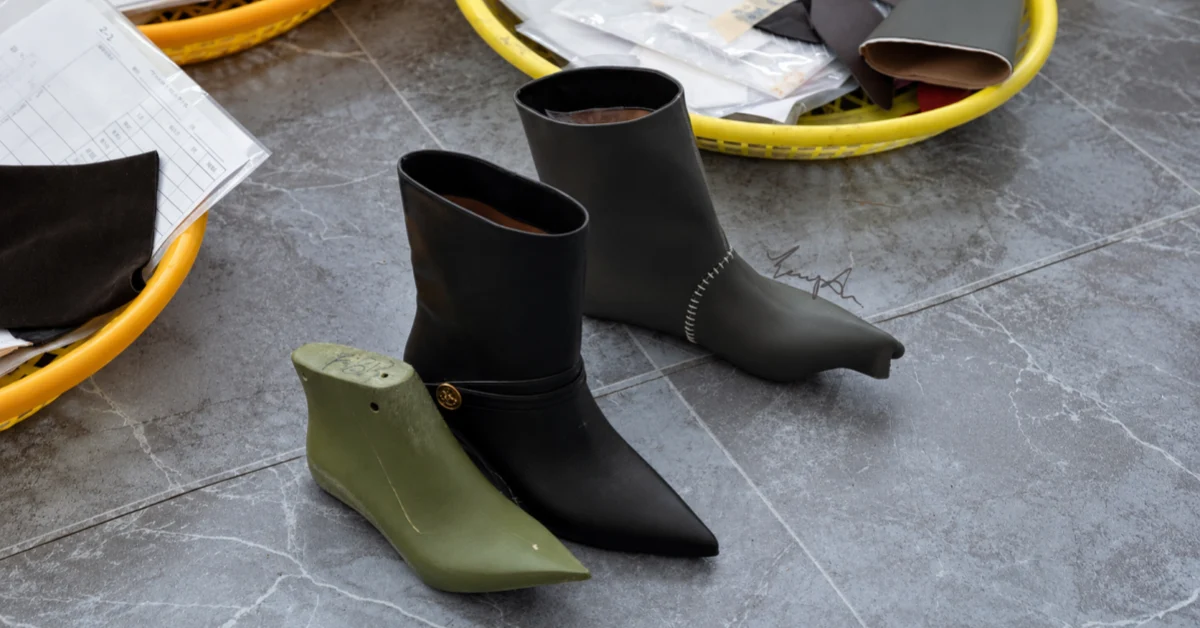
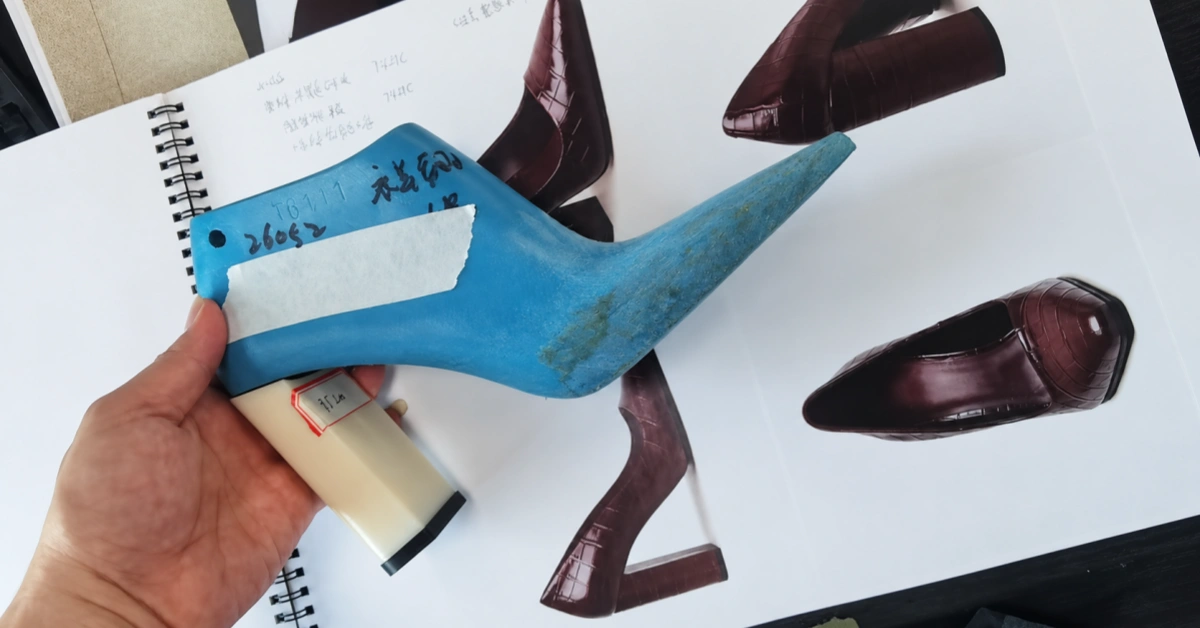
Last selection or development
-
Upper pattern making and material sourcing
-
Outsole, heel, hardware and component sourcing
-
Prototype and sample development
-
Fit testing and sample revisions
-
Bulk production planning
-
In-process and final quality inspection
-
Packaging, shipping and delivery
Not every manufacturer manages every stage directly. Some coordinate multiple specialist suppliers, while others focus primarily on assembly or bulk production.
Neither model is automatically better. The important question is whether responsibilities are clearly defined and whether the manufacturer can coordinate the complete process required by your product.
For example, a brand developing leather loafers with a custom outsole, embossed upper and branded metal hardware needs a different supplier network from a brand producing an established style with standard materials.
Before requesting a quotation, ask the manufacturer to identify which stages it handles internally, which depend on external suppliers, and who is accountable when a component causes a delay.
Evaluate Material Sourcing and Component Availability
Material availability can influence both product development and production scheduling.
Footwear projects may require leather, suede, synthetic materials, linings, insoles, outsole compounds, heels, buckles, zippers or decorative components. Some materials are readily available, while others require special orders, custom colors or new tooling.
During a footwear supply chain evaluation, assess the following:
-
Can the manufacturer source the specified material and finish?
-
Are equivalent materials available if the original selection becomes unavailable?
-
Are custom colors and surface treatments technically feasible?
-
Do specialized components require new molds or tooling?
-
What are the minimum purchasing quantities for materials and components?
-
Can material availability support the planned production schedule?
Ask for material samples, specification details and confirmation of availability rather than relying on a general statement that a factory can source everything.
If a product requires a custom heel, distinctive hardware or a specialized outsole, confirm the development and approval process for each component before finalizing the bulk production timeline.
Material substitutions should also require approval. A substitute may affect color, texture, flexibility, durability, fit or the overall appearance of the finished shoe.
Check Sample Development and Revision Management
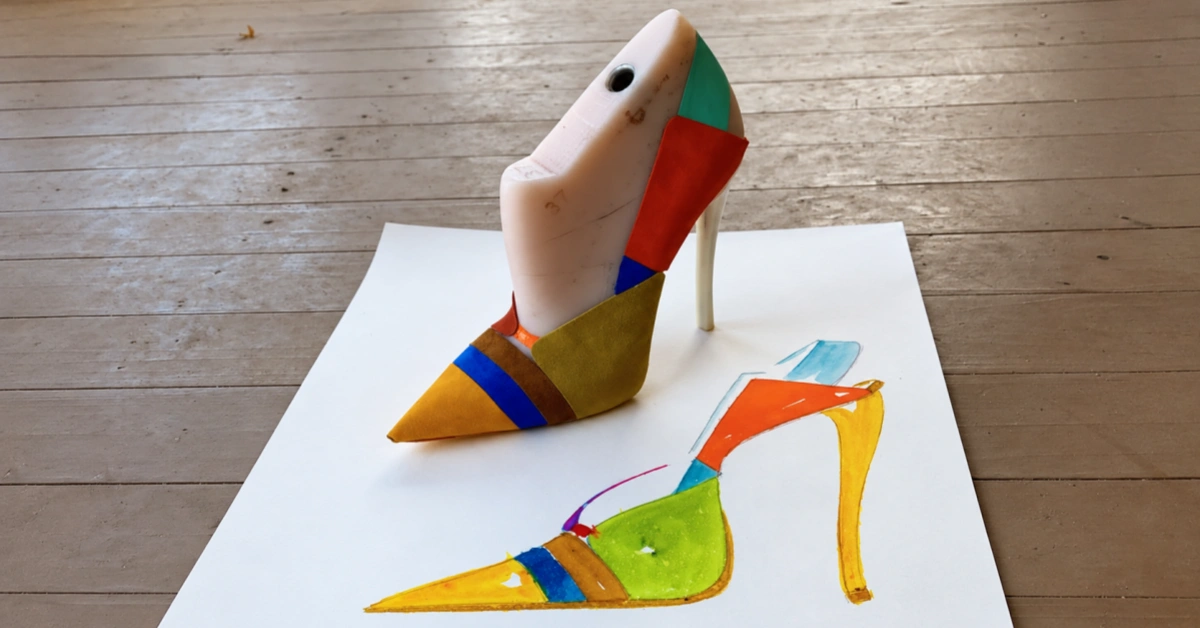
Sample development is a critical stage in custom footwear manufacturing because it reveals whether the proposed design can be translated into a production-ready product.
A capable development process should address more than appearance. It should also consider construction, fit, material behavior, component compatibility and manufacturing repeatability.
Evaluate whether the manufacturer can support:
-
Pattern making and upper construction development
-
Last selection or adjustment
-
Heel and outsole compatibility checks
-
Material and color confirmation
-
Fit evaluation and construction revisions
-
Documentation of approved specifications
-
Confirmation of the final production sample
Before starting, establish how sample revisions will be communicated and approved.
A practical revision record should identify the issue, the requested change, the responsible party, the revised specification and the approval status. This reduces the risk of different teams working from outdated instructions.
Also clarify whether sample fees include a defined number of revisions, which changes may incur additional charges, and how the final approved sample will be used as the reference for bulk production.
When assessing a supplier, request an explanation of its development workflow and, where possible, examples of anonymized technical records or sample approval documentation.
Assess Production Readiness Before Placing a Bulk Order
A manufacturer may be capable of producing a sample without being fully prepared for repeatable bulk production.
Production readiness means that the essential product specifications, materials, components, equipment, production processes and quality requirements have been reviewed before manufacturing begins.
Use the following checklist before approving bulk production:
| Assessment area | What to verify |
|---|---|
| Product specifications | Final materials, colors, measurements and construction details are documented |
| Approved sample | The reference sample and outstanding changes are confirmed |
| Materials | Required quantities, specifications and availability are checked |
| Components | Heel, outsole, hardware and other components are confirmed |
| Production planning | Capacity, schedule and critical milestones are agreed |
| Quality standards | Inspection criteria and acceptable defect limits are documented |
| Packaging | Labels, boxes, inserts and other packaging requirements are approved |
| Delivery | Packing requirements, shipping responsibilities and delivery terms are clear |
The objective is to identify unresolved decisions before they interrupt production.
For example, changing a heel height or outsole specification after tooling has been completed may affect cost and timing. Changing a material after bulk purchasing has started may also create waste or require additional procurement.
A documented pre-production review makes these dependencies visible before they become expensive problems.
Evaluate Quality Control Throughout Production
A final inspection alone may not identify every problem that develops during manufacturing.
Footwear quality depends on the materials used, construction methods, workmanship, fit and consistency of the production process. Different product categories also require different inspection priorities.
For leather dress shoes, relevant checks may include material appearance, stitching, sole attachment, symmetry and finishing. For high heels, buyers may also need to evaluate heel stability, attachment and fit-related requirements.
Ask the manufacturer how it controls quality at different stages:
Incoming material inspection
Check whether materials and components are compared against the approved specifications before production.
In-process inspection
Determine how workmanship, dimensions, assembly and recurring defects are monitored during manufacturing.
Final inspection
Confirm how the finished products are inspected against the approved sample, product specifications, packaging requirements and agreed acceptance criteria.
Corrective action
Ask how defects are documented, investigated and addressed when they exceed the agreed limits.
A useful supplier evaluation focuses on evidence. Depending on the project, this may include inspection reports, defect records, material specifications, approved samples and corrective-action documentation.
Do not assume that a factory in a particular country automatically provides better quality. The relevant factors are the manufacturer's actual processes, technical capability, personnel and accountability.
Calculate the Total Cost of the Supply Chain
The lowest quoted price per pair does not necessarily produce the lowest total project cost.
A meaningful comparison should account for the expenses required to develop, manufacture and deliver the finished footwear.
Consider these cost categories:
-
Sample development and revisions
-
Materials and component procurement
-
Molds, lasts and other tooling where applicable
-
Unit manufacturing cost
-
Packaging and labeling
-
Inspection and testing
-
Transportation between suppliers where applicable
-
International freight and insurance
-
Import duties, taxes and customs-related charges where applicable
-
Costs associated with delays, rework or material replacement
Not every project incurs every cost. The purpose is to identify the items relevant to your specific design and delivery arrangement.
When comparing quotations, make sure each supplier is pricing the same product specification, order quantity, material grade, packaging requirements and delivery terms.
A lower quotation may reflect a different material, an excluded component, a different inspection scope or a different shipping arrangement.
Ask suppliers to separate one-time development costs from recurring production costs. This makes it easier to estimate how unit economics may change as order quantities increase.
For brands evaluating multiple manufacturing locations, compare the total landed cost using the same assumptions rather than relying on labor costs or factory quotations alone.
Assess Lead Times, Communication and Supply Chain Risk
A realistic production schedule should account for the entire process, not just the time spent assembling the finished shoes.
A footwear project may involve material procurement, component development, sample approval, tooling, bulk production, inspection and transportation. The overall timeline depends on product complexity, supplier availability, approval speed and order requirements.
Ask the manufacturer to provide a project schedule that identifies:
-
Material procurement milestones
-
Sample submission and approval dates
-
Tooling or custom component deadlines
-
Planned production start and completion dates
-
Quality inspection milestones
-
Packaging and dispatch dates
Also evaluate communication and change management.
Can the manufacturer explain technical constraints clearly? Does it notify buyers when a material or component threatens the schedule? Are design changes documented? Is there a clear contact responsible for resolving production issues?
Supply chain risk assessment should consider both the likelihood of a disruption and its potential impact.
For example, a custom component sourced from a single supplier may create a critical dependency. A substitute may exist, but only if its technical suitability is evaluated and approved in advance.
Brands can reduce avoidable risk by identifying critical components, confirming lead times early, documenting approved alternatives and agreeing on escalation procedures.
China vs. Vietnam: Which Footwear Supply Chain Fits Your Project?
China and Vietnam are both important footwear manufacturing locations, but country-level comparisons should not replace an assessment of the actual factory and supplier network.
China may be worth evaluating when a project requires a broad selection of materials and components, extensive customization, multiple sample revisions or close coordination between development and manufacturing suppliers.
Vietnam may be worth evaluating for established production programs where specifications are stable, production volumes are suitable for the selected factory, and the manufacturer has access to the required materials and components.
These are starting points for supplier evaluation, not universal rules. Capabilities vary by factory, product category, order size and sourcing arrangement.
Use the following questions to compare individual suppliers in either location:
-
Can the supplier develop the required product rather than only manufacture an existing specification?
-
Are the necessary materials and components available within the planned timeline?
-
Can the factory support your order quantity and expected repeat orders?
-
Are quality requirements documented and verifiable?
-
Does the quotation include the same cost components?
-
Can the supplier demonstrate a realistic plan for sampling, production and delivery?
For a broader comparison of manufacturing locations across footwear and bags, see our guide to China vs. Vietnam footwear and bag manufacturing.
Footwear Supply Chain Evaluation Checklist for Buyers
Before selecting a manufacturing partner, use this checklist to confirm that the main commercial and technical questions have been addressed.
- The full product development and production workflow is understood.
- Material and component sourcing responsibilities are clear.
- Special tooling and minimum purchasing requirements are identified.
- Sample revision procedures and approval records are defined.
- The final production specifications are documented.
- Quality inspection stages and acceptance criteria are agreed.
- The quotation covers comparable specifications and cost items.
- Production milestones and delivery responsibilities are confirmed.
- Critical supplier dependencies and material alternatives are reviewed.
- The manufacturer can explain how it will handle changes and production issues.
If important items remain unresolved, request clarification before making a production commitment.
How HERRAINS Supports Custom Footwear Development
HERRAINS works with brands developing custom footwear and private label collections. Depending on the product requirements, the development process may include material selection, design interpretation, sample development, construction review, production coordination and quality checks.
For brands working from reference images, sketches or established product specifications, the first step is to clarify the design, target market, material requirements, expected order quantity and development stage.
This information helps determine which technical decisions must be resolved before sampling and which requirements need to be confirmed before bulk production.
If you are evaluating a manufacturing partner for an upcoming collection, share your product category, reference design and approximate order quantity with our team.
Discuss Your Custom Footwear Project
Contact HERRAINS to discuss your footwear development requirements
Frequently Asked Questions
What should I evaluate before choosing a footwear manufacturer?
Assess the manufacturer's product development capability, material sourcing, sample revision process, production readiness, quality control, total project cost and delivery planning. The appropriate priorities depend on the product category and order requirements.
How can I assess a footwear manufacturer's supply chain?
Map the stages from material sourcing and sample development to bulk production and delivery. Identify who manages each stage, which components depend on external suppliers, and how delays, substitutions and quality issues are handled.
Why is material sourcing important in footwear manufacturing?
Material availability affects product appearance, development time, cost and production scheduling. Specialized leather finishes, custom colors, hardware and outsoles may require additional sourcing or tooling.
How do I compare footwear manufacturing quotations?
Compare quotations using the same product specifications, materials, order quantities, packaging requirements, inspection scope and delivery terms. Separate development costs from recurring production costs and consider relevant logistics and import expenses.
What is production readiness in footwear manufacturing?
Production readiness means that the product specifications, approved sample, materials, components, production plan and quality requirements are sufficiently defined to begin bulk manufacturing with controlled expectations.
How can brands reduce footwear production delays?
Confirm material availability early, document sample approvals, identify critical components, agree on production milestones and establish a clear process for managing design changes and unexpected issues.
Is China or Vietnam better for custom footwear manufacturing?
The answer depends on the product, factory capability, order quantity, material availability, development requirements and total landed cost. Compare actual manufacturers and their supply chains rather than assuming that one country is always the better option.
Should I evaluate a factory before approving a bulk order?
Yes. Review its technical capability, production planning, quality procedures, material sourcing and communication process. Where appropriate, conduct a factory audit or request verifiable documentation before committing to a substantial order.