HERRAINS logo
  • Home
  • Create A Shoe Line
    Custom Shoe ManufacturerPrivate Label Shoe ManufacturerCustom High-Heels ManufacturerCustom Loafer ManufacturerCustom Clog ManufacturerCustom Sandal ManufacturerCustom Shoe Materials
  • Create A Bag Line
    Custom Handbag ManufacturerPrivate Label Handbag ManufacturerCustom Wallet Manufacturer
  • resources
    Brand Launch Support
    Product Development ValidationTransparent sample developmentFirst-Order PlanningMarket Validation & Growth
    Shoes & Bags Matching SetsDesigner Manufacturing HubCustom Shoe & Bag DesignClient Case StudiesAI Design ManufacturingBlogFAQ
  • About us
    XINZIRAIN Founder StoryFactory & QualityMeet Our TeamSustainability & Social Responsibility
  • Contact
HERRAINS logo
HomeAbout usContactInquiry
Is Sustainable Footwear and Bag Manufacturing the Future of Fashion?
Home/Blog/Is Sustainable Footwear and Bag Manufacturing the Future of Fashion?

Is Sustainable Footwear and Bag Manufacturing the Future of Fashion?

blog avatar

Written by

Herrains

Published
October 13, 2025
  • Manufacturing & Supply
  • Sustainability

Follow us

Is Sustainable Footwear and Bag Manufacturing the Future of Fashion?

Table of Contents

  • 1The Rise of Conscious Manufacturing
  • 2Materials Defining the Future
  • 3Designing for Durability and Circularity
  • 4Technology and Traceability in the Supply Chain
  • 5Market Outlook: Growth Driven by Responsibility
  • 6The Road Ahead: Collaboration and Innovation

In today’s rapidly evolving fashion landscape, sustainability has become not just an option but a necessity. From footwear to handbags, brands and manufacturers are rethinking how products are designed, produced, and distributed — aiming to reduce environmental impact while preserving aesthetics, quality, and performance.


The Rise of Conscious Manufacturing

According to McKinsey & Company’s “State of Fashion 2025” report, nearly 70% of global fashion executives list sustainability as one of their top five strategic priorities.

This growing awareness is transforming the footwear and bag manufacturing industries, driving the adoption of eco-friendly materials, cleaner production processes, and traceable supply chains.

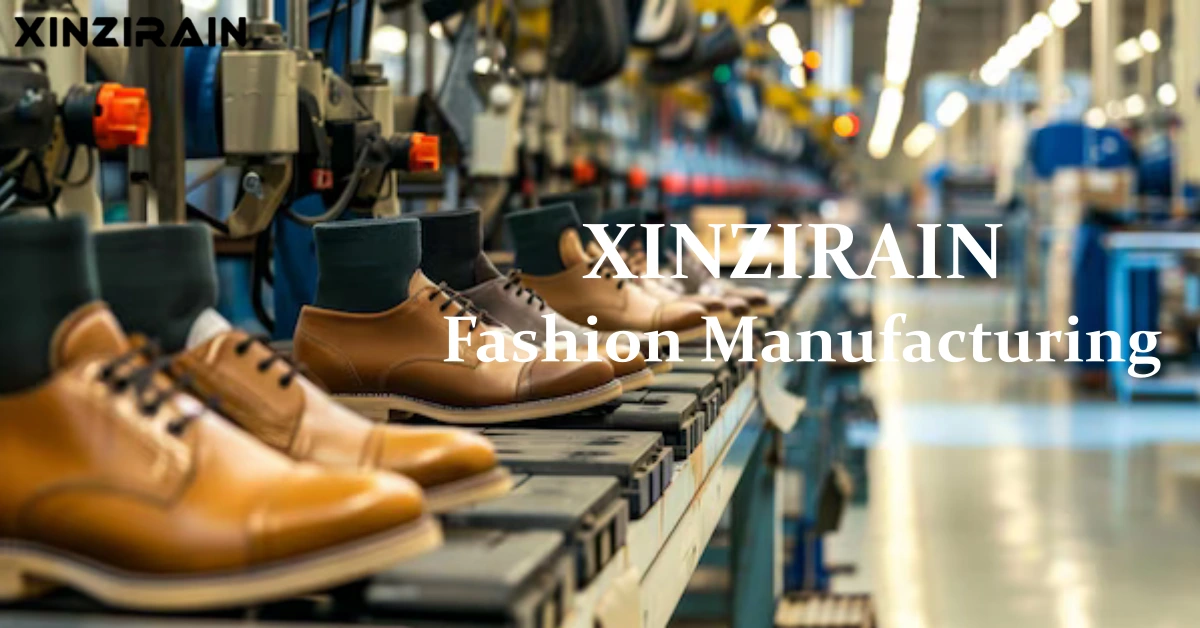
Leading manufacturers are integrating renewable energy systems, waste-reduction technologies, and water-based adhesives, while optimizing each stage of production for greater efficiency.
These changes not only align with global environmental goals but also enhance cost efficiency and compliance with the sustainability standards demanded by international buyers.
Materials Defining the Future

The journey toward sustainable manufacturing begins with materials.
According to Textile Exchange’s Preferred Fiber and Materials Market Report 2024, the use of recycled polyester and organic cotton grew by more than 30% year over year across the fashion industry.

In footwear and accessories manufacturing, key material trends include:

  • Recycled rubber and EVA for outsoles and midsoles

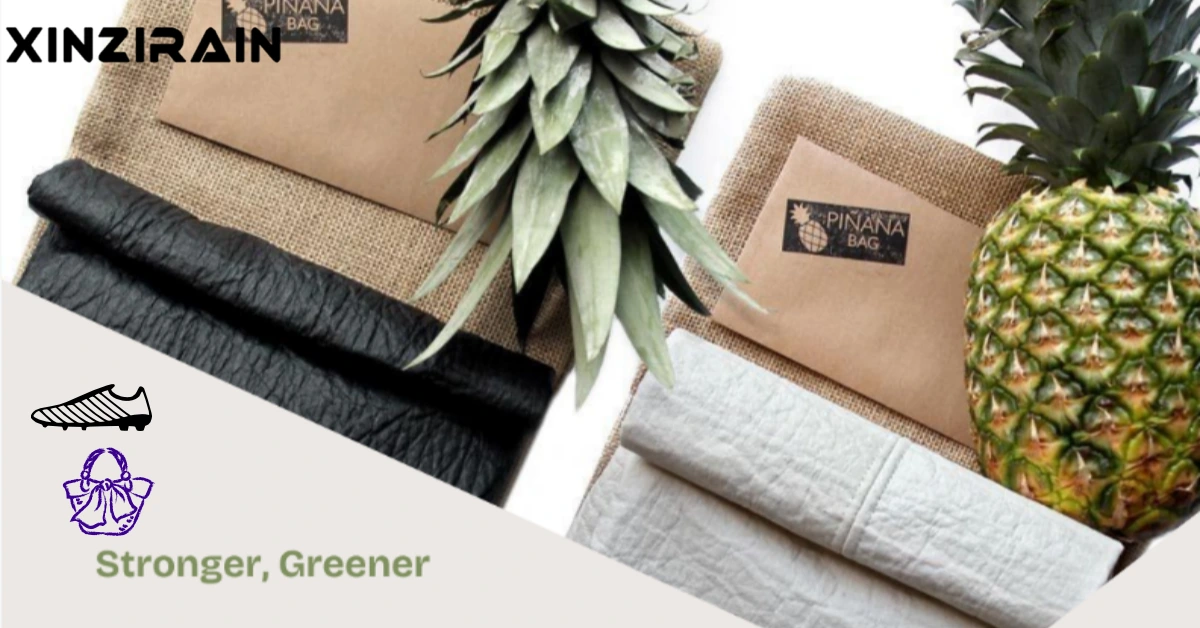
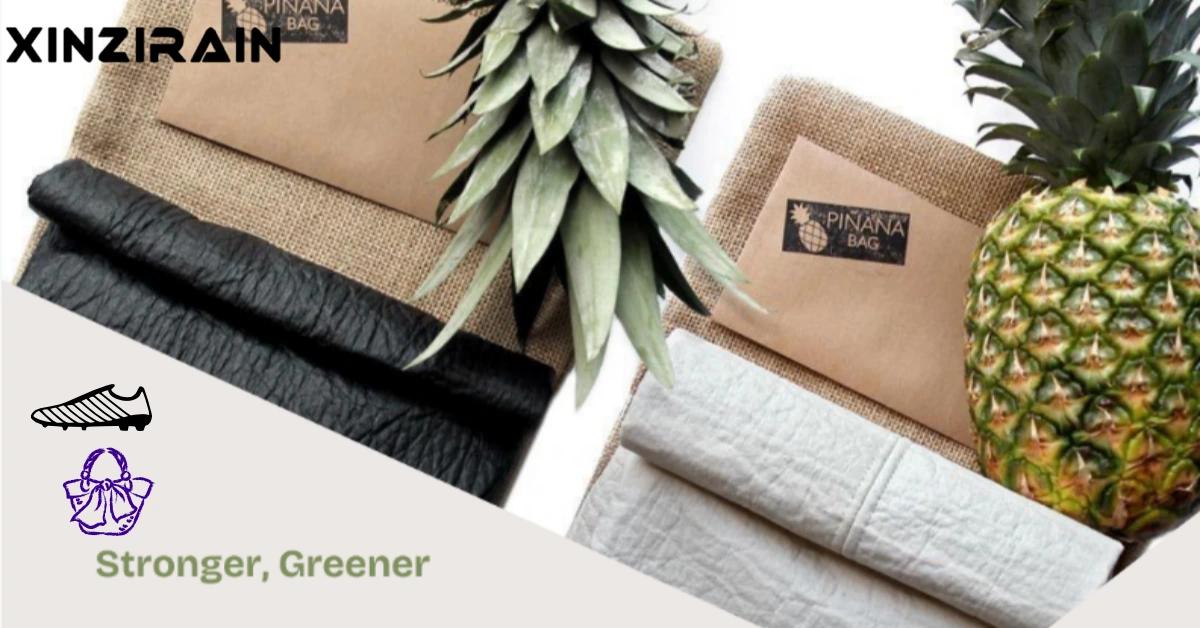
  • LWG-certified leathers and vegan leather alternatives derived from plant or bio-based sources

  • Organic cotton linings and recycled nylon fabrics for bags

These material innovations significantly reduce the consumption of virgin resources and lower carbon emissions throughout the supply chain.

Designing for Durability and Circularity

Durability has become the cornerstone of sustainable fashion.
A 2024 Vogue Business consumer survey found that 65% of Western consumers now prioritize product durability over trend-based purchases.

For footwear and bag manufacturers, this shift means focusing on:

  • Timeless design and modular construction

  • Repairable and recyclable components

  • Lifecycle assessment (LCA) to measure long-term environmental impact

The goal is not only to reduce waste but to extend product lifespans — shifting the industry mindset from fast fashion to lasting craftsmanship.

Technology and Traceability in the Supply Chain

Digitalization is redefining how sustainability is managed.
The integration of AI-driven supply chain monitoring, blockchain-based traceability, and digital product passports allows brands to achieve full transparency — from raw material sourcing to end-of-life recycling.

According to PwC’s Global Supply Chain Survey 2024, more than 50% of manufacturers plan to implement digital sustainability tracking systems by 2026.
This reflects the increasing global demand for ethical accountability and traceable production practices.

Market Outlook: Growth Driven by Responsibility

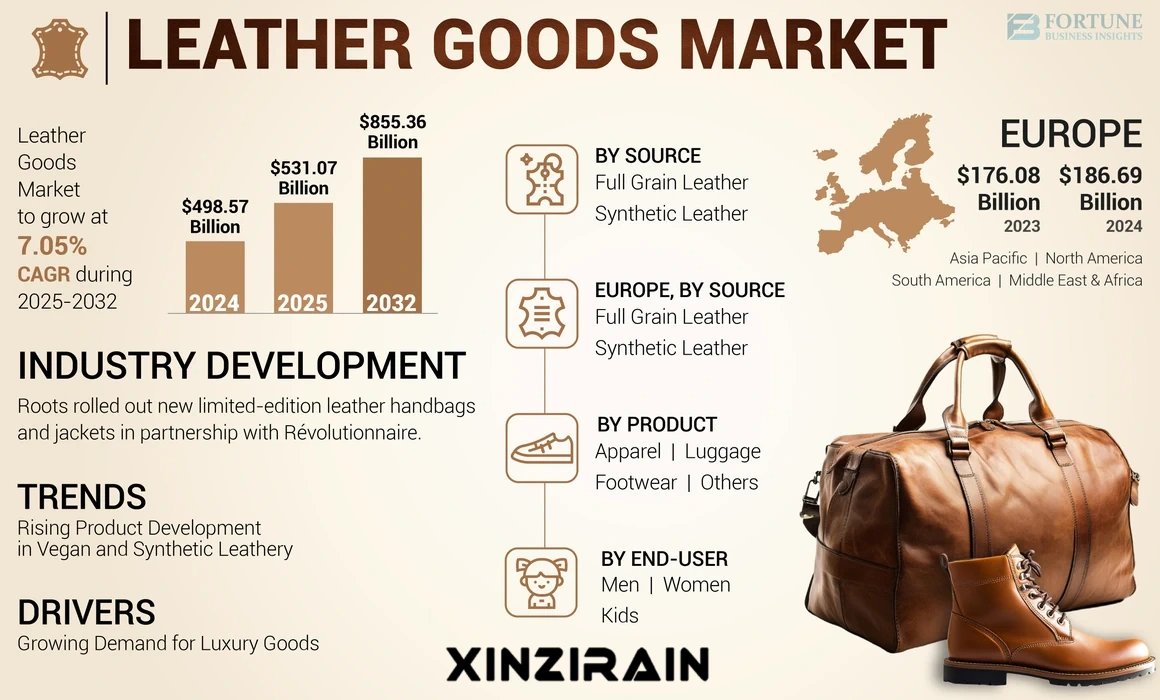
Despite challenges such as higher material costs and fragmented supplier networks, the sustainable footwear and accessories market continues to grow steadily.

Grand View Research (2024) projects that the global sustainable footwear market will reach USD 14.3 billion by 2030, expanding at a 6.5% CAGR, driven by material innovation and rising consumer demand for ethical fashion.

Likewise, the eco-friendly bags segment is expected to grow at a 7.2% CAGR through 2030, as brands increasingly align with ESG standards and retail partners demand greater sourcing transparency.
The Road Ahead: Collaboration and Innovation

True sustainability requires collaboration across the value chain — from suppliers and factories to brands and consumers.
Manufacturers like XINZIRAIN are leading this transformation by integrating sustainable materials, ethical production systems, and long-term design thinking into every project.

As sustainability becomes the new benchmark for quality, eco-conscious manufacturing is not only shaping the future of the footwear and bag industry — it is defining it.
XINZIRAIN Disclaimer

The content above is provided by XINZIRAIN for informational purposes. Unauthorized reproduction is prohibited. See our full disclaimer here

Table of Contents

  • 1The Rise of Conscious Manufacturing
  • 2Materials Defining the Future
  • 3Designing for Durability and Circularity
  • 4Technology and Traceability in the Supply Chain
  • 5Market Outlook: Growth Driven by Responsibility
  • 6The Road Ahead: Collaboration and Innovation

Featured Blogs

Tags

#XINZIRAIN Sustainability#custom shoe manufacturing#Global Footwear & Bag Manufacturing#athleisure fashion shoes

Share

Share on your :
Tina Zhang profile picture

Author:

Tina Zhang

Fashion Product Development Specialist

Specialize in custom shoe, handbag development, leather craftsmanship, and private label fashion solutions. Sharing professional insights about product design, manufacturing processes, materials, and building successful fashion brands.

Reviewed by:

Herrains Product Development Team

Featured Blogs

Custom Footwear Prototyping and Production: MOQ, Sample Fees, Timelines, and No-Tech-Pack Solutions

Custom Footwear Prototyping and Production: MOQ, Sample Fees, Timelines, and No-Tech-Pack Solutions

Sourcing private-label footwear often raises critical questions about development costs, timelines, and minimum order quantities. This guide deconstructs sample fees, flexible MOQs, production lead times, and how to start your collection even without a technical pack.

Nov 09, 2026
Read More
How to Launch Your Footwear and Bag Brand: The Definitive Sourcing Playbook

How to Launch Your Footwear and Bag Brand: The Definitive Sourcing Playbook

Launching a luxury shoe and handbag collection involves technical coordination, material sourcing, and compliance checks. This playbook outlines how independent designers and emerging labels turn sketches into retail-ready lines using our Validate, Launch, Scale, and Moat framework.

Nov 09, 2026
Read More
How to Start a Shoe Line: The Definitive Founder's Guide

How to Start a Shoe Line: The Definitive Founder's Guide

Starting a footwear brand is an exciting but highly technical journey that requires navigating sizing, structural engineering, and manufacturing. This definitive B2B playbook breaks down how to start a shoe line from initial hand-drawn sketch to first production run. Learn how to work with custom footwear manufacturers, master technical last grading, run essential stress testing on metal steel shanks, and establish a risk-mitigated, flexible 100-pair MOQ production line to protect your margins and build a profitable fashion brand.

Oct 30, 2026
Read More
From Year-End Sales to Next-Season Growth: The Q4 Footwear and Handbag Manufacturing Blueprint

From Year-End Sales to Next-Season Growth: The Q4 Footwear and Handbag Manufacturing Blueprint

As year-end sales hit their peak, high-growth fashion brands must look ahead to secure their next-season inventory. November represents the critical transition window for footwear and handbag brands. This deep tactical playbook breaks down the 6-stage pre-CNY operational blueprint—from fast bestseller reorders and structural cost audits to the crucial pre-CNY sampling window. Learn how to protect your profit margins and partner with an agile custom footwear and handbag manufacturer to scale your brand with risk-mitigated, flexible 100-pair MOQs before the winter production shutdown.

Oct 28, 2026
Read More
The Decisive Shoe Manufacturers List for Fashion Startups: Sourcing Custom Factories in 2027

The Decisive Shoe Manufacturers List for Fashion Startups: Sourcing Custom Factories in 2027

Looking for the ultimate shoe manufacturers list to launch your footwear line? Most directories lump massive commodity plants with trading firms. This definitive guide re-structures the shoe sourcing landscape specifically for independent designer brands. Learn how to technically audit a footwear factory's lasts, shank load-bearing, and materials compliance under REACH standards, and discover how to bypass rigid MOQs to build a profitable, custom footwear collection starting from 100 pairs.

Oct 26, 2026
Read More
When Should Footwear & Bag Brands Book 2027 Q1 Production Capacity?

When Should Footwear & Bag Brands Book 2027 Q1 Production Capacity?

Chinese New Year 2027 falls on February 6, and the pre-holiday manufacturing window closes faster than expected. Learn when to book Q1 2027 production capacity, avoid factory delays, and plan a realistic pre-CNY timeline.

Oct 21, 2026
Read More