HERRAINS logo
  • Home
  • Create A Shoe Line
    Custom Shoe ManufacturerPrivate Label Shoe ManufacturerCustom High-Heels ManufacturerCustom Loafer ManufacturerCustom Clog ManufacturerCustom Sandal ManufacturerCustom Shoe Materials
  • Create A Bag Line
    Custom Handbag ManufacturerPrivate Label Handbag ManufacturerCustom Wallet Manufacturer
  • resources
    Brand Launch Support
    Product Development ValidationTransparent sample developmentFirst-Order PlanningMarket Validation & Growth
    Shoes & Bags Matching SetsDesigner Manufacturing HubCustom Shoe & Bag DesignClient Case StudiesAI Design ManufacturingBlogFAQ
  • About us
    XINZIRAIN Founder StoryFactory & QualityMeet Our TeamSustainability & Social Responsibility
  • Contact
HERRAINS logo
HomeAbout usContactInquiry
Custom Shoe Manufacturing: The Complete Guide to OEM & Private Label Footwear Production
Home/Blog/Custom Shoe Manufacturing: The Complete Guide to OEM & Private Label Footwear Production

Custom Shoe Manufacturing: The Complete Guide to OEM & Private Label Footwear Production

blog avatar

Written by

Herrains

Published
April 4, 2026
  • Industry Insights
  • Manufacturing & Supply

Follow us

Custom Shoe Manufacturing: The Complete Guide to OEM & Private Label Footwear Production

Table of Contents

  • 1Introduction: Why Understanding Shoe Manufacturing Is Critical for Your Brand
  • 2What Is Custom Shoe Manufacturing?
  • 2.1White Label Shoes
  • 2.2Private Label Footwear
  • 2.3OEM Shoe Manufacturing
  • 2.4ODM Footwear Manufacturing
  • 3Step-by-Step Shoe Manufacturing Process
  • 3.1Product Concept & Design
  • 3.2Last Development (Fit Engineering)
  • 3.3Material Selection & Engineering
  • 3.4Sampling Process
  • 3.5Pre-Production Preparation
  • 3.6Mass Production
  • 3.7Quality Control & Inspection
  • 4Shoe Manufacturing Cost Breakdown
  • 4.1Main Cost Components
  • 4.2Factors That Increase Cost
  • 4.3Cost Optimization Tips
  • 5OEM vs ODM Footwear: Key Differences
  • 5.1OEM (Original Equipment Manufacturer)
  • 5.2ODM (Original Design Manufacturer)
  • 5.3Which One Is Right?
  • 6How to Choose a Reliable Footwear Manufacturer
  • 6.1Development Capability
  • 6.2Production Experience
  • 6.3Supply Chain Stability
  • 6.4Communication & Transparency
  • 7Common Problems in Shoe Manufacturing (And How to Avoid Them)
  • 7.1Sample Quality ≠ Bulk Quality
  • 7.2Sizing Issues
  • 7.3Material Defects
  • 7.4Production Delays
  • 8Best Practices for Scaling Footwear Production
  • 9Conclusion: From Idea to Scalable Footwear Brand
  • 10FAQ
  • 10.1What is custom shoe manufacturing?
  • 10.2What is the MOQ for custom shoes?
  • 10.3How long does shoe production take?
  • 10.4What is the difference between OEM and ODM footwear?
  • 10.5How do I choose a shoe manufacturer?

Introduction: Why Understanding Shoe Manufacturing Is Critical for Your Brand

Custom shoe manufacturing is not just about creating a product — it is about building a scalable business.

Many brands enter footwear sourcing with strong design ideas, but fail during production due to:

  • Poor supplier selection
  • Lack of understanding of the shoe manufacturing process
  • Misalignment between cost, quality, and market positioning

Whether you are working with an OEM footwear manufacturer or developing private-label shoes, understanding how production works is essential.

This guide provides a complete overview of custom shoe manufacturing, including:

  • Shoe production process step by step
  • Cost structure and pricing factors
  • OEM vs ODM footwear models
  • How to choose a reliable footwear manufacturer

What Is Custom Shoe Manufacturing?

Custom shoe manufacturing refers to developing footwear products tailored to a brand’s specifications, rather than purchasing ready-made stock.

There are several levels of customization in the footwear industry:

White Label Shoes

Pre-designed shoes with logo customization
Best for fast market entry, but limited differentiation

Private Label Footwear

Modify materials, colors, and branding
Common among growing brands and distributors

OEM Shoe Manufacturing

Fully customized shoes, including outsole, upper, and structure
Suitable for brands building long-term identity

ODM Footwear Manufacturing

The factory provides design, brand customization, and sells
Efficient for testing new markets

Key insight:
Most successful brands start with private label or semi-custom production before moving into full OEM shoe manufacturing.

Step-by-Step Shoe Manufacturing Process

Understanding the shoe production process helps reduce risks and improve communication with suppliers.
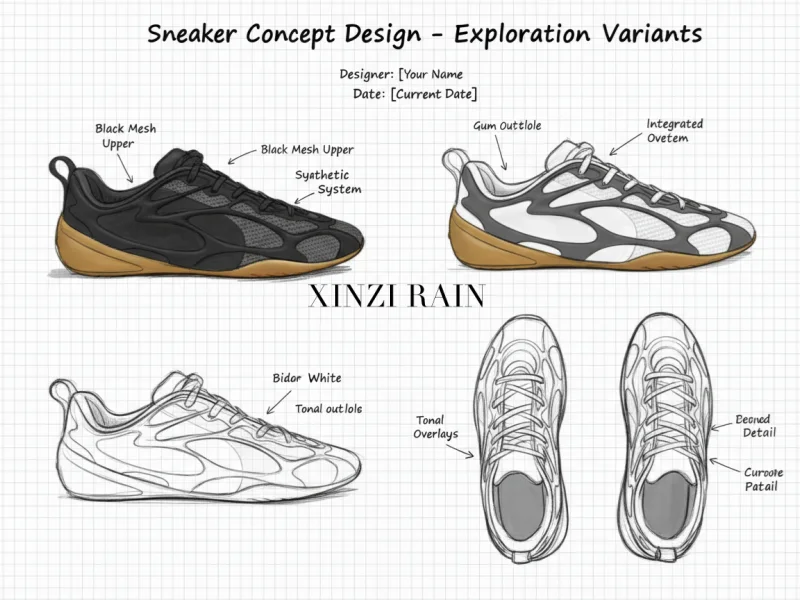
3D-Printed Sole Sneakers Are Reshaping Modern Footwear Manufacturing.webp

Product Concept & Design

This stage defines:

  • Target customer
  • Product positioning
  • Price range

Professional buyers often prepare:

  • Reference images
  • Competitor benchmarks
  • Basic tech pack or idea

Last Development (Fit Engineering)

The shoe last determines:

  • Fit and comfort
  • Size consistency
  • Customer satisfaction

Important for EU and US markets, where sizing standards differ.

Material Selection & Engineering

Materials directly impact:

  • Cost
  • Durability
  • Brand positioning

Common materials include:

  • Leather (premium footwear)
  • Vegan leather (cost-effective alternative)
  • Mesh (sports and breathable shoes)
  • Rubber / EVA / PU outsoles

Sampling Process

Sample development includes:

  • Prototype creation
  • Fit testing
  • Material adjustments

Most custom shoe manufacturing projects require 2–3 sample revisions.

Pre-Production Preparation

Before bulk production, factories finalize:

  • Bill of Materials (BOM)
  • Color standards
  • Construction details

This step ensures consistency between samples and final production.

Mass Production

The main production stages include:

  • Cutting
  • Stitching
  • Lasting
  • Assembly

MOQ (Minimum Order Quantity) typically ranges from 50 to 300 pairs per style.

Quality Control & Inspection

Professional footwear manufacturers implement:

  • Inline inspection
  • Mid-production checks
  • Final quality inspection

This reduces defects and ensures product consistency.
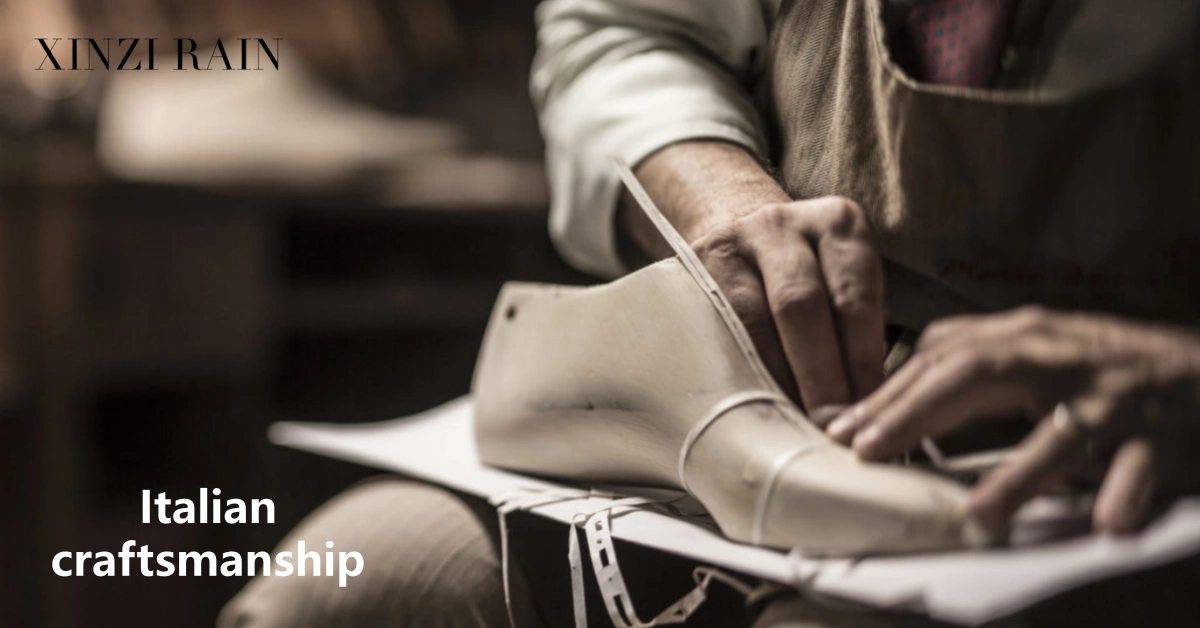
Italian craftsmanship made in China.webp

Shoe Manufacturing Cost Breakdown

Understanding shoe manufacturing costs helps buyers make better sourcing decisions.

Main Cost Components

  1. Materials (40–60%)
  2. Labor (20–30%)
  3. Development costs (samples, molds)
  4. Packaging and logistics

Factors That Increase Cost

  • High-quality leather
  • Custom outsole molds
  • Complex design structures
  • Low order quantities

Cost Optimization Tips

  • Use semi-custom designs
  • Optimize materials instead of downgrading quality
  • Increase order volume gradually

OEM vs ODM Footwear: Key Differences

Understanding OEM vs ODM footwear is essential when choosing a manufacturing model.

OEM (Original Equipment Manufacturer)

  • Full customization
  • Higher cost and longer development
  • Strong brand identity

ODM (Original Design Manufacturer)

  • The factory provides designs
  • Faster and lower cost
  • Limited uniqueness

Which One Is Right?

  • Startups → ODM or private label
  • Growing brands → OEM development

How to Choose a Reliable Footwear Manufacturer

Selecting the right shoe manufacturer is critical for long-term success.

Development Capability

Can the factory:

  • Develop new designs
  • Or only modify existing products

Production Experience

Look for:

  • Experience in your product category
  • Export experience to the EU and US markets

Supply Chain Stability

A strong footwear manufacturer should have:

  • Reliable material suppliers
  • Consistent lead times

Communication & Transparency

Clear communication reduces production risks.

Reliable suppliers:

  • Respond quickly
  • Explain processes clearly
  • Set realistic expectations

Common Problems in Shoe Manufacturing (And How to Avoid Them)

Sample Quality ≠ Bulk Quality

Cause:
Material inconsistency or process variation

Solution:
Lock BOM and production standards

Sizing Issues

Cause:
Improper last development

Solution:
Conduct fit testing

Material Defects

Cause:
Low-grade materials

Solution:
Verify material quality before production

Production Delays

Cause:
Weak supply chain or poor planning

Solution:
Work with experienced manufacturers

Best Practices for Scaling Footwear Production

Successful brands follow these principles:

  • Start with small orders to test the market
  • Focus on a few core products
  • Build long-term relationships with manufacturers
  • Use data to guide production decisions

Conclusion: From Idea to Scalable Footwear Brand
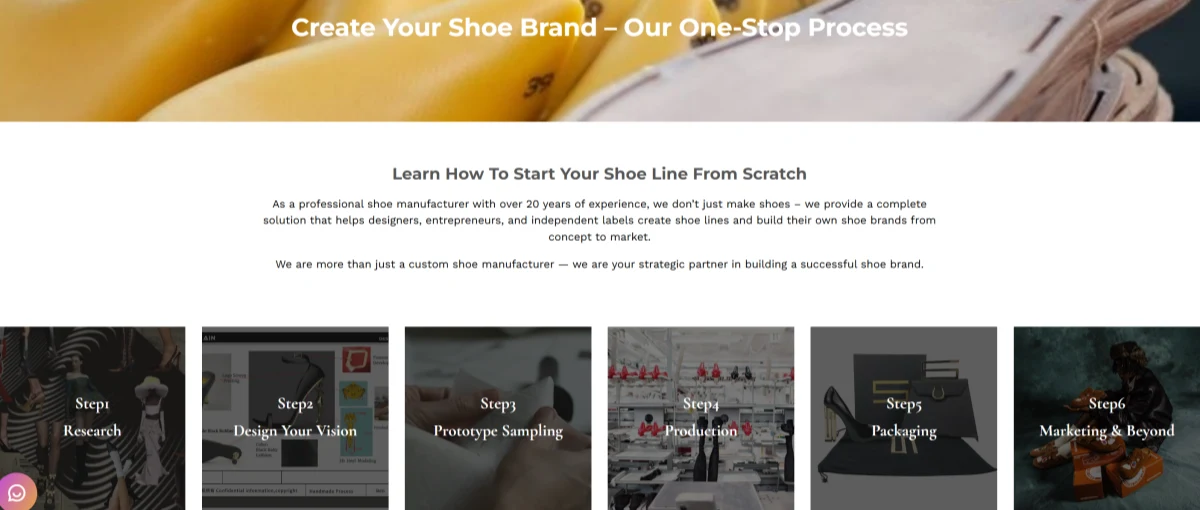
create-a-shoe-line.webp

Custom shoe manufacturing is a structured process that requires careful planning, supplier selection, and quality control.

By understanding:

  • The shoe manufacturing process
  • Cost structure
  • OEM vs ODM models
  • Supplier evaluation criteria

You can significantly reduce risk and build a reliable footwear product line.

FAQ

What is custom shoe manufacturing?

It is the process of developing footwear based on a brand’s design, materials, and specifications.

What is the MOQ for custom shoes?

Typically, between 50 and 300 pairs per style.

How long does shoe production take?

Sampling takes 2–4 weeks, and bulk production takes 30–60 days.

What is the difference between OEM and ODM footwear?

OEM involves full customization, while ODM uses factory designs with branding changes.

How do I choose a shoe manufacturer?

Evaluate development capability, production experience, supply chain stability, and communication.

Explore our curated list of trusted suppliers in our

10 Most Trusted Custom Shoe Manufacturers in China for Global Brands
XINZIRAIN Disclaimer

The content above is provided by XINZIRAIN for informational purposes. Unauthorized reproduction is prohibited. See our full disclaimer here

Table of Contents

  • 1Introduction: Why Understanding Shoe Manufacturing Is Critical for Your Brand
  • 2What Is Custom Shoe Manufacturing?
  • 2.1White Label Shoes
  • 2.2Private Label Footwear
  • 2.3OEM Shoe Manufacturing
  • 2.4ODM Footwear Manufacturing
  • 3Step-by-Step Shoe Manufacturing Process
  • 3.1Product Concept & Design
  • 3.2Last Development (Fit Engineering)
  • 3.3Material Selection & Engineering
  • 3.4Sampling Process
  • 3.5Pre-Production Preparation
  • 3.6Mass Production
  • 3.7Quality Control & Inspection
  • 4Shoe Manufacturing Cost Breakdown
  • 4.1Main Cost Components
  • 4.2Factors That Increase Cost
  • 4.3Cost Optimization Tips
  • 5OEM vs ODM Footwear: Key Differences
  • 5.1OEM (Original Equipment Manufacturer)
  • 5.2ODM (Original Design Manufacturer)
  • 5.3Which One Is Right?
  • 6How to Choose a Reliable Footwear Manufacturer
  • 6.1Development Capability
  • 6.2Production Experience
  • 6.3Supply Chain Stability
  • 6.4Communication & Transparency
  • 7Common Problems in Shoe Manufacturing (And How to Avoid Them)
  • 7.1Sample Quality ≠ Bulk Quality
  • 7.2Sizing Issues
  • 7.3Material Defects
  • 7.4Production Delays
  • 8Best Practices for Scaling Footwear Production
  • 9Conclusion: From Idea to Scalable Footwear Brand
  • 10FAQ
  • 10.1What is custom shoe manufacturing?
  • 10.2What is the MOQ for custom shoes?
  • 10.3How long does shoe production take?
  • 10.4What is the difference between OEM and ODM footwear?
  • 10.5How do I choose a shoe manufacturer?

Featured Blogs

Tags

#Custom Shoe for Business#Custom Shoe Manufacturer#custom shoe manufacturing#China shoe manufacturer#Top Shoe Factory#OEM Shoe Manufacturer#Custom Shoe Production

Share

Share on your :
Tina Zhang profile picture

Author:

Tina Zhang

Fashion Product Development Specialist

Specialize in custom shoe, handbag development, leather craftsmanship, and private label fashion solutions. Sharing professional insights about product design, manufacturing processes, materials, and building successful fashion brands.

Reviewed by:

Herrains Product Development Team

Featured Blogs

From Year-End Sales to Next-Season Growth: The Q4 Footwear and Handbag Manufacturing Blueprint

From Year-End Sales to Next-Season Growth: The Q4 Footwear and Handbag Manufacturing Blueprint

As year-end sales hit their peak, high-growth fashion brands must look ahead to secure their next-season inventory. November represents the critical transition window for footwear and handbag brands. This deep tactical playbook breaks down the 6-stage pre-CNY operational blueprint—from fast bestseller reorders and structural cost audits to the crucial pre-CNY sampling window. Learn how to protect your profit margins and partner with an agile custom footwear and handbag manufacturer to scale your brand with risk-mitigated, flexible 100-pair MOQs before the winter production shutdown.

Oct 28, 2026
Read More
When Should Footwear & Bag Brands Book 2027 Q1 Production Capacity?

When Should Footwear & Bag Brands Book 2027 Q1 Production Capacity?

Chinese New Year 2027 falls on February 6, and the pre-holiday manufacturing window closes faster than expected. Learn when to book Q1 2027 production capacity, avoid factory delays, and plan a realistic pre-CNY timeline.

Oct 21, 2026
Read More
2027 Spring/Summer Footwear Trends from the Big Four Runways — What Fashion Brand Founders Should Know Before Sampling

2027 Spring/Summer Footwear Trends from the Big Four Runways — What Fashion Brand Founders Should Know Before Sampling

The SS27 runways closed with a powerful message: footwear is now the narrative core of fashion. For independent brand founders, this shift represents a prime product development opportunity. Our latest breakdown decodes the key design shifts from 16 leading runway brands—from "sneakerina" hybrids to sculptural heels—and translates them into actionable sampling strategies. Learn how to leverage these trends to secure a commercial advantage and plan your next collection with manufacturing precision.

Oct 20, 2026
Read More
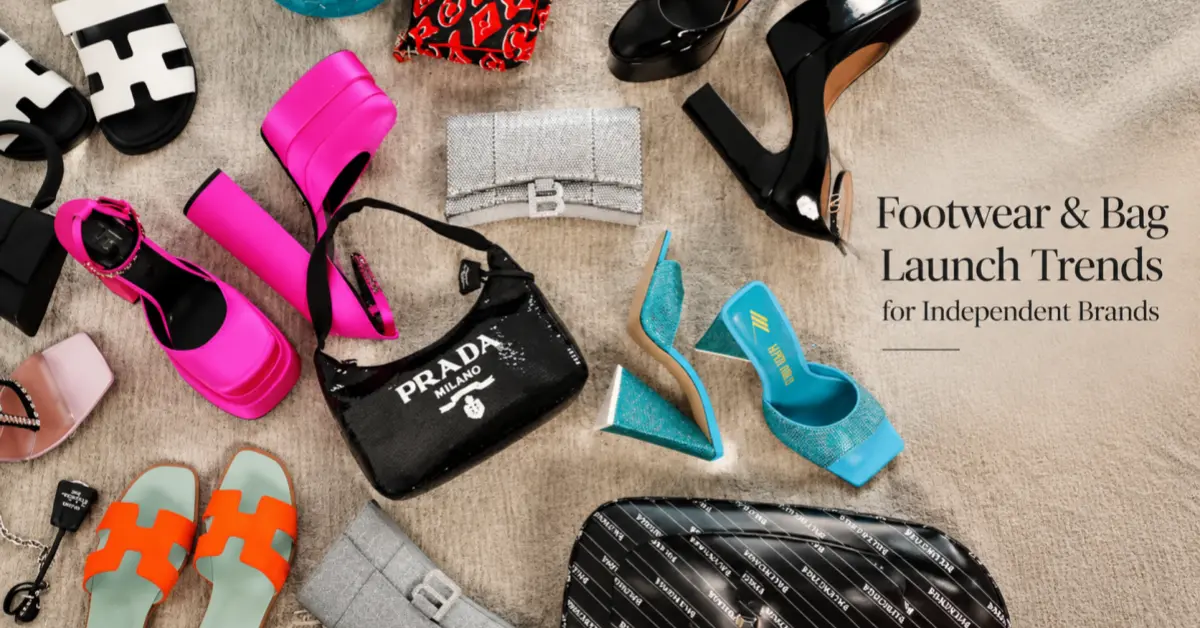
2027 Footwear & Bag Launch Trends for Independent Brands: What to Sell Next

2027 Footwear & Bag Launch Trends for Independent Brands: What to Sell Next

Trend reports show you what's trending — not what's worth building. This guide filters 2027's strongest footwear and bag directions (comfort-first construction, modular details, oversized carryalls, east-west silhouettes, and more) through a single test: is it buildable at your MOQ, sellable at your price point, and worth the sample cycle it will cost you?

Sep 22, 2026
Read More
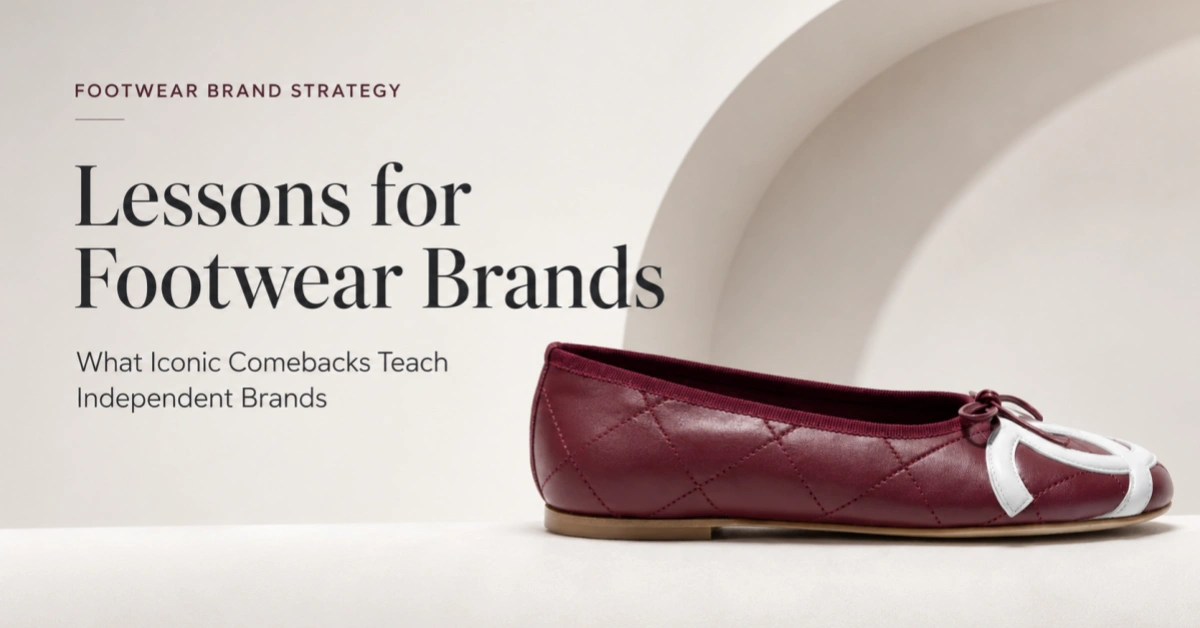
Chanel Is Back: What the Cambon Revival Teaches Independent Footwear Brands

Chanel Is Back: What the Cambon Revival Teaches Independent Footwear Brands

Chanel's return to the top of fashion offers more than a trend story. The renewed attention around Cambon footwear reveals how recognizable product codes, archive design and modern product development can create lasting brand value. Here is what independent footwear brands can learn when developing their own signature products.

Aug 16, 2026
Read More
Why Does Bulk Production Take So Long? A Brand's Guide to Avoiding Mass Production Delays

Why Does Bulk Production Take So Long? A Brand's Guide to Avoiding Mass Production Delays

Mass production delays usually stem from process gaps, not factory capacity. A healthy lead time for footwear and handbags is 30–45 days. This guide identifies 7 critical pitfalls—from unverified material stock to missing mid-line QC—that silently push timelines to 90+ days. Learn how to front-load technical audits, use 72-hour 3D prototyping, and implement shared production calendars to eliminate root causes of delays. Stop settling for "it just takes time" and start protecting your retail launch window with an engineered manufacturing process.

Jul 14, 2026
Read More