HERRAINS logo
  • Home
  • Create A Shoe Line
    Custom Shoe ManufacturerPrivate Label Shoe ManufacturerCustom High-Heels ManufacturerCustom Loafer ManufacturerCustom Clog ManufacturerCustom Sandal ManufacturerCustom Shoe Materials
  • Create A Bag Line
    Custom Handbag ManufacturerPrivate Label Handbag ManufacturerCustom Wallet Manufacturer
  • resources
    Brand Launch Support
    Product Development ValidationTransparent sample developmentFirst-Order PlanningMarket Validation & Growth
    Shoes & Bags Matching SetsDesigner Manufacturing HubCustom Shoe & Bag DesignClient Case StudiesAI Design ManufacturingBlogFAQ
  • About us
    XINZIRAIN Founder StoryFactory & QualityMeet Our TeamSustainability & Social Responsibility
  • Contact
HERRAINS logo
HomeAbout usContactInquiry
Transitioning to Green: The Ultimate Guide to Bio-based Materials in Footwear & Bag Manufacturing
Home/Blog/Transitioning to Green: The Ultimate Guide to Bio-based Materials in Footwear & Bag Manufacturing

Transitioning to Green: The Ultimate Guide to Bio-based Materials in Footwear & Bag Manufacturing

blog avatar

Written by

Herrains

Published
January 8, 2026
  • Design & Development

Follow us

Transitioning to Green: The Ultimate Guide to Bio-based Materials in Footwear & Bag Manufacturing

Table of Contents

  • 1What are Bio-based Materials?
  • 2Why B2B Buyers are Switching: The Competitive Edge
  • 3Performance & Durability: Can They Compete?
  • 4Integrating Bio-materials into Your OEM/ODM Projects
  • 5The 2026 Trend: Hybrid Bio-Synthetics
  • 6Conclusion: Leading the Change
  • 7Partnering for a Greener Future: Why Xinzirain is Your Ideal Bio-Material Manufacturer
  • 7.1The Xinzirain Advantage in Bio-Material Innovation:
  • 8Ready to Launch Your Sustainable Collection

In the rapidly evolving landscape of global fashion, "sustainability" is no longer a buzzword—it is a market mandate. With the European Green Deal and increasing consumer pressure in the Americas, importers and brands are pivoting toward Bio-based Materials.

But what are these materials, and how do they perform in high-scale production? As a leading export manufacturer, we provide this expert guide to help you navigate the green transition.

What are Bio-based Materials?

Bio-based materials are derived from renewable biological sources rather than petroleum-based plastics. In the footwear and accessories industry, these primarily include:

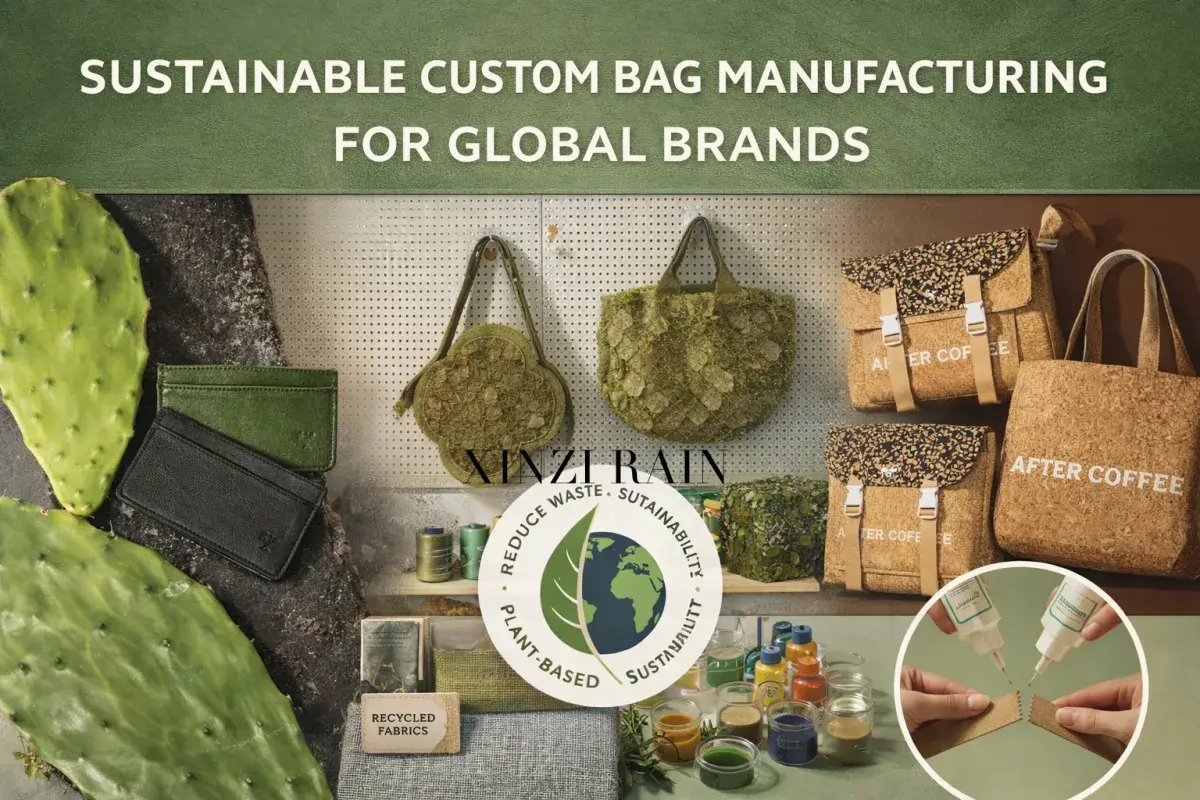
  • Agricultural By-products: Pineapple leaf fibers (Piñatex), apple skin peels, and grape pomace.

  • Mycelium (Mushroom): A high-end alternative to leather grown from fungal root structures.

  • Bio-polymers: Corn-based polyols used in rPU (Recycled Polyurethane) coatings.

  • Algae & Cork: Often used for midsoles and footbeds in ergonomic footwear.

Why B2B Buyers are Switching: The Competitive Edge

For distributors and brand owners, bio-materials offer more than just an "eco-friendly" label:

  • Regulatory Compliance: Meeting EU REACH and US California Proposition 65 standards becomes easier with non-toxic, bio-derived components.

  • Brand Premium: Products featuring bio-materials often command a 15-25% higher retail value compared to traditional synthetic alternatives.

  • ESG Reporting: Large-scale wholesalers can significantly reduce their Scope 3 emissions by sourcing from bio-based manufacturers.
  • Sustainable Custom Bag Manufacturing for Global Brands.webp

Performance & Durability: Can They Compete?

One of the biggest concerns for importers is: “Will an apple-leather bag last as long as traditional leather?”

The answer is Yes. Modern bio-based composites are engineered for:

  • Tensile Strength: High resistance to tearing, essential for heavy-duty backpacks and performance shoes.

  • Flex Crack Resistance: Bio-based soles are tested to withstand over 50,000 flexes without cracking.

  • Color Fastness: Advanced bio-pigments ensure that vibrant fashion colors remain stable under UV exposure.

Integrating Bio-materials into Your OEM/ODM Projects

As an end-to-end manufacturer, we’ve streamlined the integration of sustainable materials into our production lines:

Stage Process Benefit
Sourcing We partner with certified bio-material labs (USDA BioPreferred). Guaranteed authenticity.
Prototyping 3D-assisted sampling to minimize material waste. Faster time-to-market.
Production Low-impact bonding and water-based adhesives. 100% Vegan/Eco-friendly assembly.
Certification Provision of GRS (Global Recycled Standard) & Bio-content docs. Easier customs & marketing.

The 2026 Trend: Hybrid Bio-Synthetics

The next frontier is the "Hybrid" approach—combining recycled ocean plastics with bio-based coatings. This offers the ultimate balance of cost-effectiveness and environmental responsibility, making it a favorite for high-volume distributors in the European market.

Conclusion: Leading the Change

The shift toward bio-based materials is a strategic investment in the future of your brand. By choosing a manufacturer with expertise in these innovative substrates, you ensure that your product line is both ethically sound and commercially dominant.
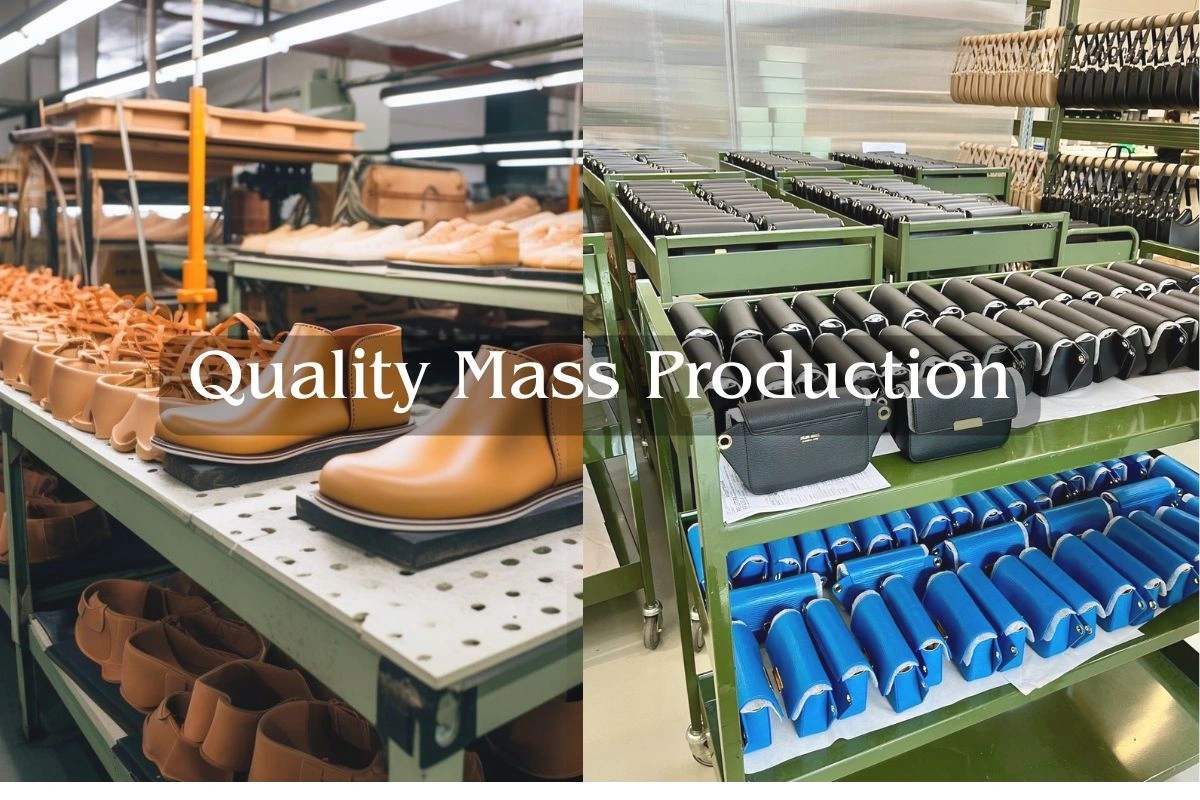
Quality Mass Production.webp

Partnering for a Greener Future: Why Xinzirain is Your Ideal Bio-Material Manufacturer

Understanding the shift toward bio-based materials is the first step; executing it requires a manufacturing partner with technical precision and a transparent supply chain. This is where Xinzirain excels.

As a premier export-oriented manufacturer specializing in high-end footwear and bags, Xinzirain has spent years integrating sustainable innovation into our core production DNA. We don't just follow trends; we help our global partners—from boutique designers to large-scale distributors in Europe and the Americas—lead them.

The Xinzirain Advantage in Bio-Material Innovation:

  • Verified Sustainable Sourcing: We have established a robust network of certified suppliers, providing everything from Apple Leather and Pineapple Fiber (Piñatex) to GRS-certified recycled polymers.

  • Precision OEM/ODM Services: Our R&D team specializes in the unique structural requirements of bio-materials, ensuring that your eco-friendly products maintain the luxury feel and durability your customers expect.

  • Eco-Conscious Craftsmanship: Beyond the surface material, we utilize water-based adhesives and low-carbon assembly processes, ensuring the entire lifecycle of your product is as "green" as the material itself.

  • Global Compliance Expertise: We understand the stringent import regulations of the Western markets. Xinzirain provides full documentation support to ensure your bio-based collections breeze through customs and meet all ESG standards.

Ready to Launch Your Sustainable Collection

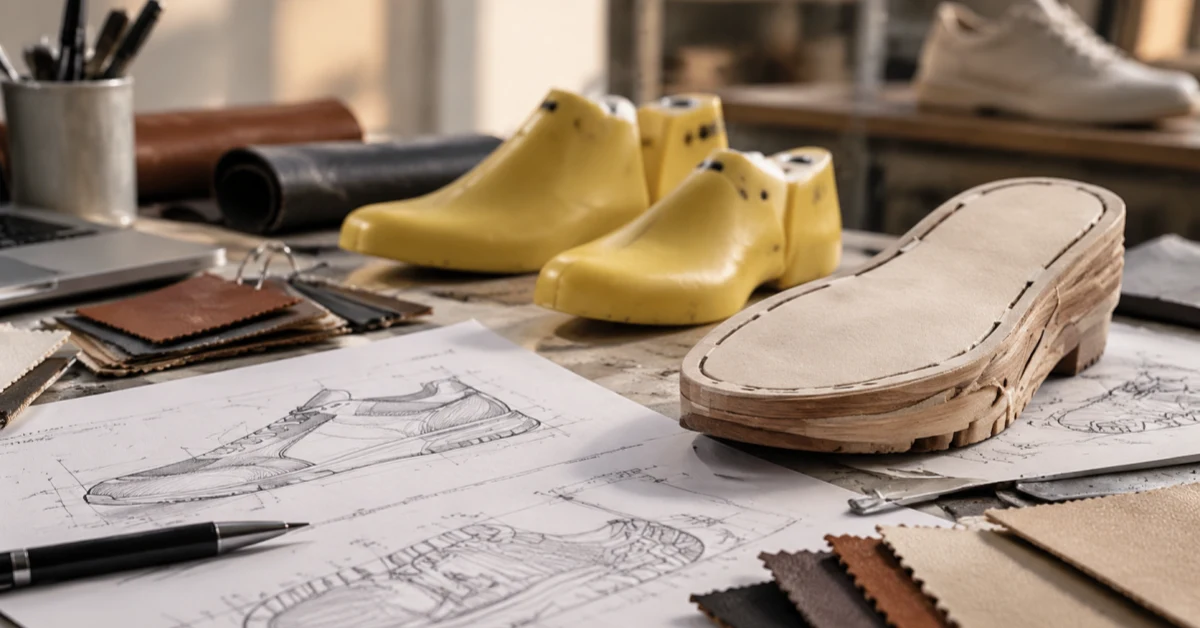
The transition to bio-based materials is an opportunity to redefine your brand’s value proposition. Whether you are looking to develop a signature vegan sneaker line or a range of biodegradable luxury handbags, Xinzirain is equipped to bring your vision to life—from the first sketch to bulk global distribution.

Don’t just adapt to the future—create it with Xinzirain.
XINZIRAIN Disclaimer

The content above is provided by XINZIRAIN for informational purposes. Unauthorized reproduction is prohibited. See our full disclaimer here

Table of Contents

  • 1What are Bio-based Materials?
  • 2Why B2B Buyers are Switching: The Competitive Edge
  • 3Performance & Durability: Can They Compete?
  • 4Integrating Bio-materials into Your OEM/ODM Projects
  • 5The 2026 Trend: Hybrid Bio-Synthetics
  • 6Conclusion: Leading the Change
  • 7Partnering for a Greener Future: Why Xinzirain is Your Ideal Bio-Material Manufacturer
  • 7.1The Xinzirain Advantage in Bio-Material Innovation:
  • 8Ready to Launch Your Sustainable Collection

Featured Blogs

Tags

#Eco-friendly manufacturing#XINZIRAIN Sustainability#Xinzirain Footwear#Footwear & Bag Manufacturing

Share

Share on your :
Tina Zhang profile picture

Author:

Tina Zhang

Fashion Product Development Specialist

Specialize in custom shoe, handbag development, leather craftsmanship, and private label fashion solutions. Sharing professional insights about product design, manufacturing processes, materials, and building successful fashion brands.

Reviewed by:

Herrains Product Development Team

Featured Blogs

How to Start a Shoe Line: The Definitive Founder's Guide

How to Start a Shoe Line: The Definitive Founder's Guide

Starting a footwear brand is an exciting but highly technical journey that requires navigating sizing, structural engineering, and manufacturing. This definitive B2B playbook breaks down how to start a shoe line from initial hand-drawn sketch to first production run. Learn how to work with custom footwear manufacturers, master technical last grading, run essential stress testing on metal steel shanks, and establish a risk-mitigated, flexible 100-pair MOQ production line to protect your margins and build a profitable fashion brand.

Oct 30, 2026
Read More
The Decisive Shoe Manufacturers List for Fashion Startups: Sourcing Custom Factories in 2027

The Decisive Shoe Manufacturers List for Fashion Startups: Sourcing Custom Factories in 2027

Looking for the ultimate shoe manufacturers list to launch your footwear line? Most directories lump massive commodity plants with trading firms. This definitive guide re-structures the shoe sourcing landscape specifically for independent designer brands. Learn how to technically audit a footwear factory's lasts, shank load-bearing, and materials compliance under REACH standards, and discover how to bypass rigid MOQs to build a profitable, custom footwear collection starting from 100 pairs.

Oct 26, 2026
Read More
How to Start a Shoe Line: What to Prepare Before Contacting a Manufacturer

How to Start a Shoe Line: What to Prepare Before Contacting a Manufacturer

Learn how to start a shoe line with a clear plan for design, budgeting, sampling, and production. This guide explains what to prepare before contacting a shoe manufacturer, how to evaluate private label and custom development options, and what to confirm before your first order.

Oct 15, 2026
Read More
Custom Handbag Development: Where Hardware, Materials and Construction Change the Cost

Custom Handbag Development: Where Hardware, Materials and Construction Change the Cost

Custom handbag development costs are shaped by decisions made long before bulk production begins. From leather selection and material utilization to hardware engineering and construction details, every choice affects product quality, manufacturing efficiency, and profit margins. Explore how handbag brands can make informed development decisions, reduce unnecessary expenses, and create production-ready designs with a reliable manufacturing partner.

Oct 10, 2026
Read More
Footwear Sample Development: How to Control Revisions Before They Consume Your Margin

Footwear Sample Development: How to Control Revisions Before They Consume Your Margin

Footwear sample development involves more than turning a design into a prototype. Uncontrolled revisions, fit adjustments, material changes, and poor communication can increase costs and delay production. Discover how footwear brands can manage sampling, improve development accuracy, and protect profit margins through structured collaboration with an experienced custom shoe manufacturer.

Oct 10, 2026
Read More
From Pre-Order to Repeat Orders: A Footwear & Handbag Production Planning Guide for Brands

From Pre-Order to Repeat Orders: A Footwear & Handbag Production Planning Guide for Brands

Learn how footwear and handbag brands use pre-orders, small-batch production, inventory planning and repeat orders to reduce risk, improve profitability and build a more sustainable path from first production to long-term growth.

Oct 04, 2026
Read More